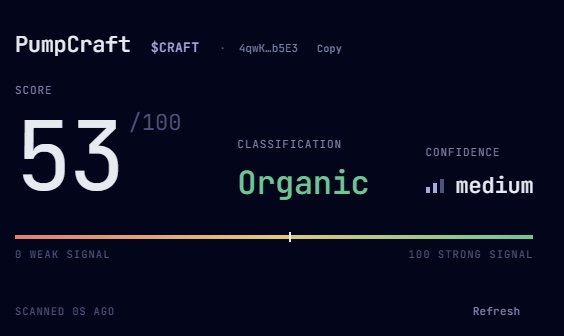
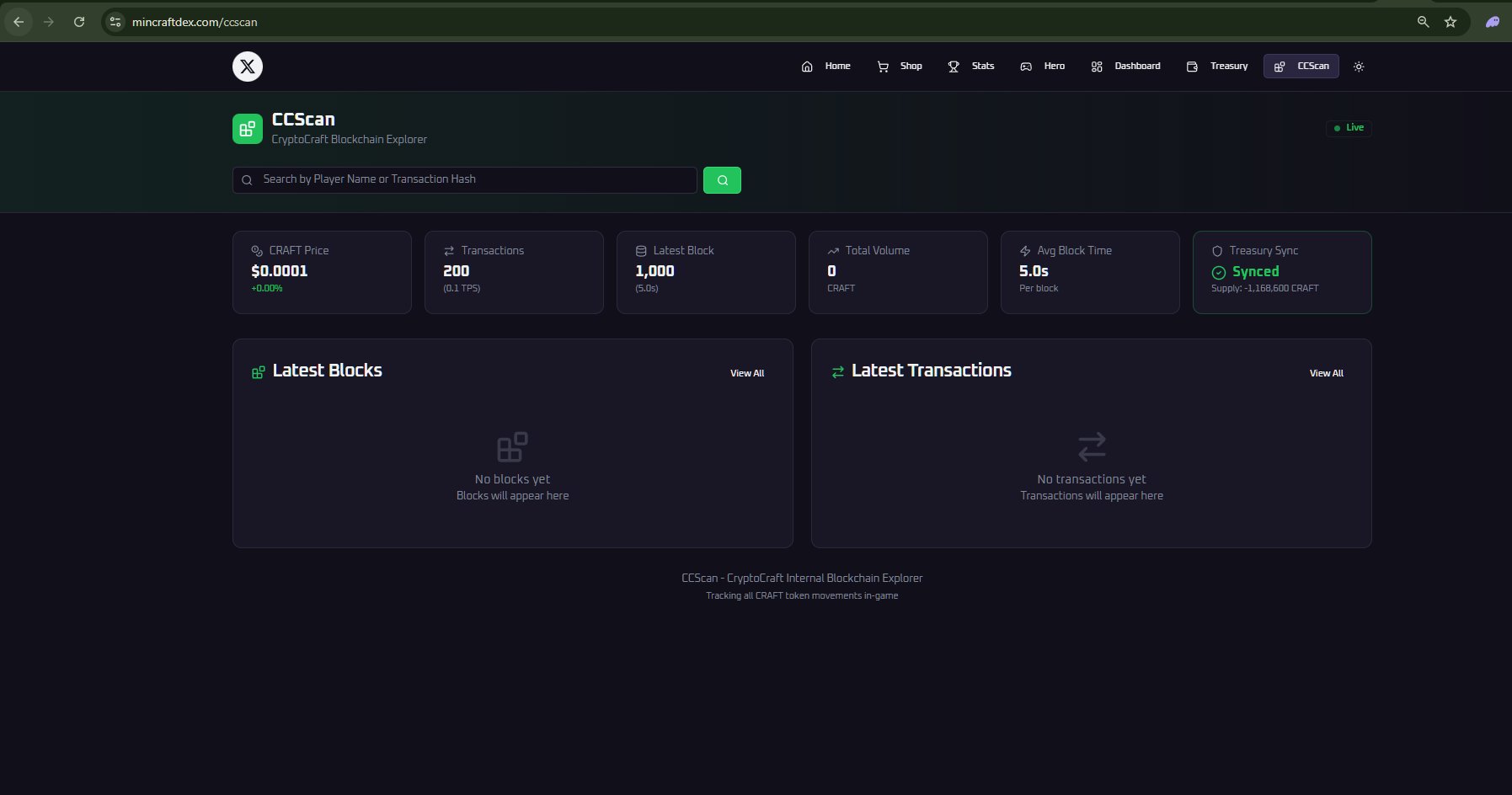
What’s being built is not a decentralized L1 pretending to be something it’s not. It’s an application-level, in-game blockchain: a hash-chained, append-only ledger where every transaction is validated by real gameplay events and server logic. The Minecraft server is the validator. That’s a feature, not a flaw.
Because validation comes from the game itself, players can move tokens freely in-game with 0% peer-to-peer fees, instant finality, and no wallets, signatures, or external friction. At the same time, every token movement is cryptographically linked, timestamped, and fully auditable. You get transparency and traceability without breaking immersion or violating Minecraft’s rules.
This model avoids the core mistakes of most GameFi projects. There’s no client modification, no crypto logic inside Minecraft, no forced Web3 UX, and no fake decentralization claims. Security comes from authoritative game logic and a tamper-evident ledger, not from pretending players are miners or validators.
In practice, this approach scales better, is easier to secure, and is far more player-friendly than traditional GameFi. It turns Minecraft itself into the economic engine while keeping the system clean, compliant, and verifiable.
In short:
game-validated transactions + hash-chained blocks + frictionless transfers is not only possible — it’s exactly how a real in-game economy should be built.