
News: @Sanctum’s $INF Yields 8.2% Higher APY than Solana Network Median Since V2 Upgrade
✍️ @solace_fm
https://t.co/h9VnatCugx
Купить криптовалюту
карта
P2P Трейдинг
Купить USDT через маркетплейс
Кредитная/дебетовая карта
Покупайте криптовалюту с помощью карт Visa или Mastercard
Оплата третьей стороной
Buy Crypto via MoonPay, Simplex and More
Карта BitMart
Расширение ваших криптовозможностей
Предоплаченная криптовалютная карта
Мгновенно получите карту Mastercard, доступную для использования
USDⓈ-M
Использовать USDⓈ в качестве обеспечения
COIN-M
Использовать монету в качестве обеспечения
TradFi
Единый центр торговли металлами, акциями и иностранной валютой
Демо-торговля
Узнайте, как торговать с нулевым риском
Фьючерсная торговля
Универсальная платформа для фьючерсной торговли
Futures King
478,000 USDT Prize Pool
Grow
Обзор программы Earn
Без труда зарабатывайте на незадействованных активах
Сбережения
Зарабатывайте проценты на холдинге
Стейкинг
Простой стейкинг и хорошие вознаграждения
Управление капиталом
Grow Wealth with a Top-Tier Asset Team
RWA
Удерживайте BMRUSD и получайте доход
VIP-эксклюзив
Стабильный заработок для VIP-пользователей
Rewards
Центр вознаграждений
Discover Exclusive Rewards Worth Up to 14,000 USDT
LaunchPrime
Платформа для запуска NFT и токенов
Партнерская программа
Присоединяйтесь к программе, чтобы зарабатывать высокие комиссионные
Powerdrop
Запущено решение для Аирдропов нового поколения!
Центр событий
The One-Stop Hub For All Business Operations
Futures Daily Draw
100% Chance To Win With Daily Trades
Spot Daily Draw
Win 8,888 USDT In Grand Prizes
Участвуйте в стейкинге для голосования
Заработайте эйрдропы, проголосовав
Учреждение
Профессиональные и эксклюзивные сервисы
VIP
Разблокируйте Эксклюзивные Награды
Академия
Быстро изучите трейдинг и блокчейн
BitMart Internship
Start your Crypto Career Here
Bitmart Путешествия
One-Stop Global Travel Services
Mobile Top-Up
Top up mobiles easily, online, secure
Send
Send money globally, fast and secure
BitMart Mall
Live on crypto
INFERNO INF Price History USD
Track the price of INFERNO for today, 7 days, 30 days and 90 days
Период
Изменить
Изменение (%)
Сегодня
--
--
7дней
--
--
30дней
--
--
90дней
--
--
Own INF Now
Buy and sell INF easily and securely on BitMart.
INFERNO Информация о рынке
$ 0.0000000099 24 часа $ 0.000000029
Рекордный максимум
$ 0
Рекордный минимум
$ 0
Изменение за 24 часа
Объем за 24 часа
0
Количество токенов в обороте
260.48M
INF
Рыночная капитализация
0
Максимальное предложение
420.00M
INF
Рыночная капитализация при полной эмиссии
0
Торговать INF
Заработать
Даже незадействованная криптовалюта может приносить пассивный доход! Пользуйтесь сбережениями, услугами стейкинга и другими преимуществами.
INFERNO Инсайт из X

SolanaFloor
Media
Influencer
D
 132.0K @SolanaFloor
 Бычий
INF yield of 8.2% is higher than the SOL average, worth noting
 33
33
 4
4
 2.0K
2.0K
2026-06-02 18:46
Тренд INF после выпуска
Бычий
INF yield of 8.2% is higher than the SOL average, worth noting

Nova
TA_Analyst
OnChain_Analyst
B
63.6K @badattrading_ Медвежий
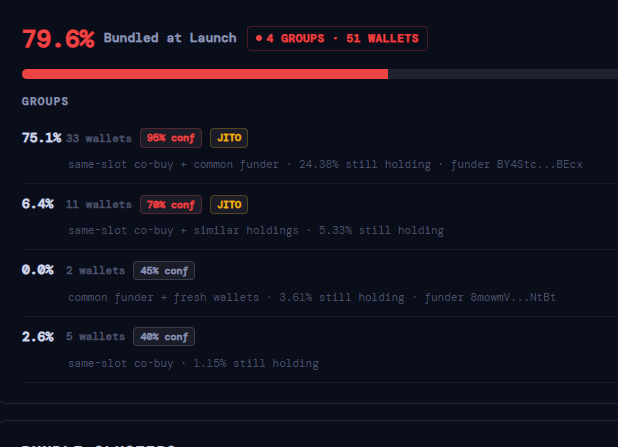
The tweet warns that INF is a bundled scam and advises investors to stay away.
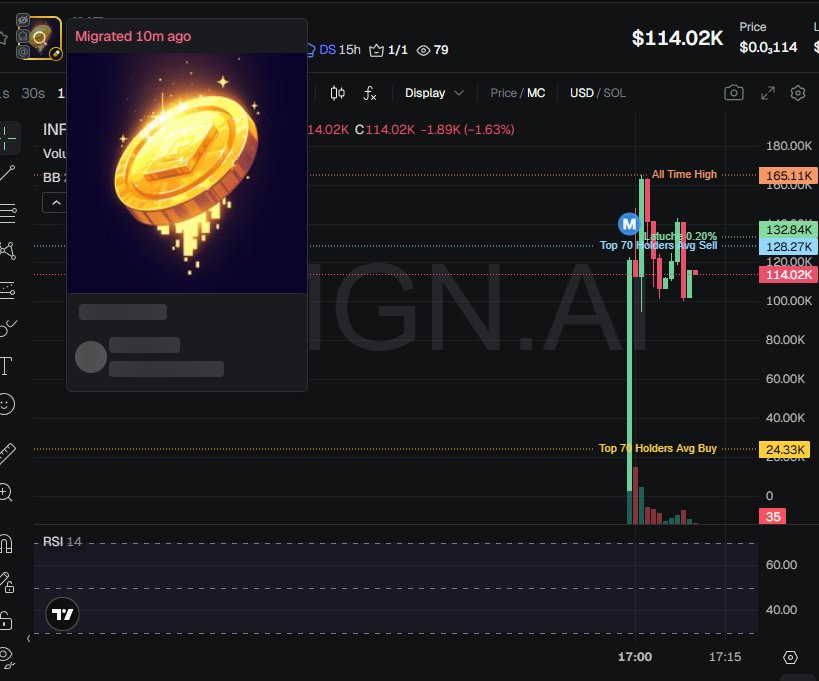
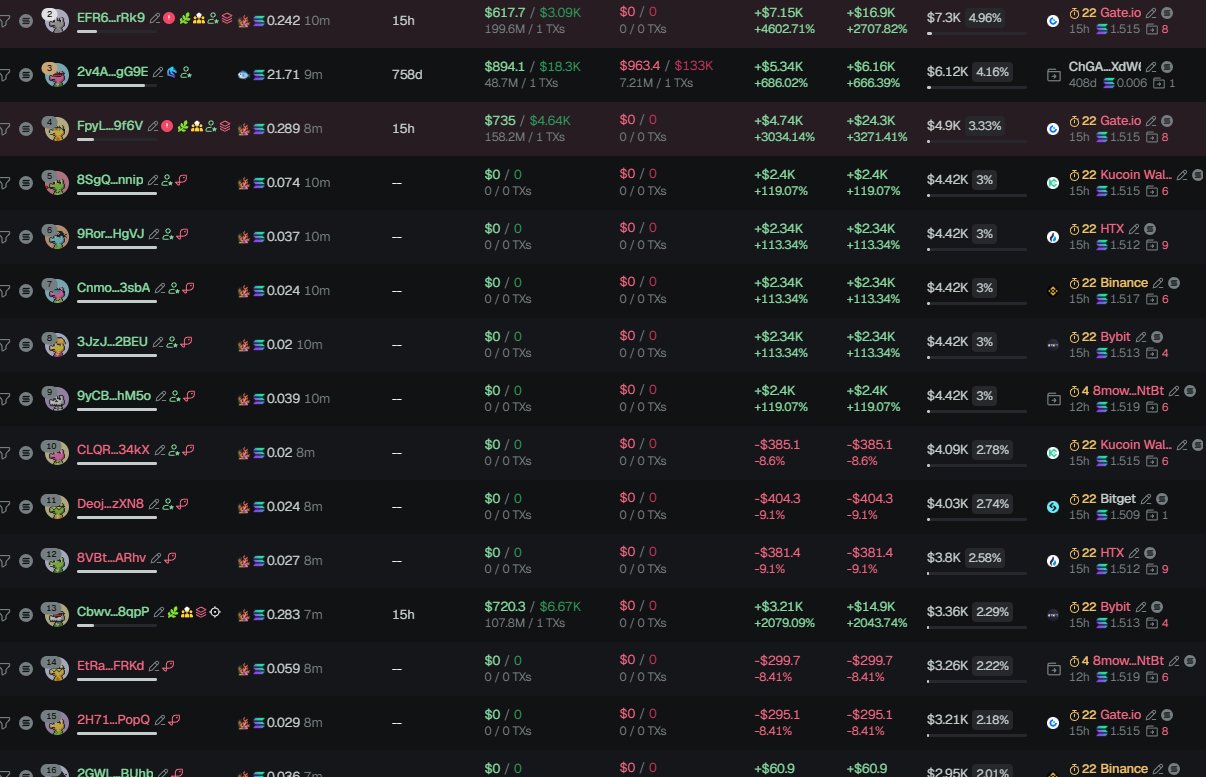
$INF (CA A3Nvwnj5eXpumPpxCtof5XSqvmju5wEdwfDGB6aGpump) is a bundled scam, don't buy, stay away. https://t.co/a6K14mgDvh
Nova
TA_Analyst
OnChain_Analyst
B
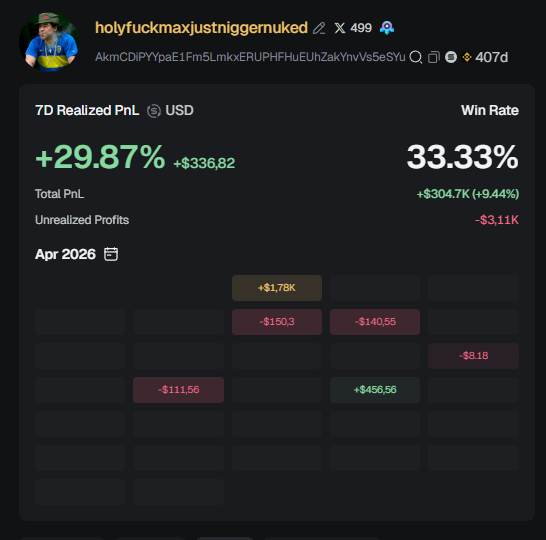
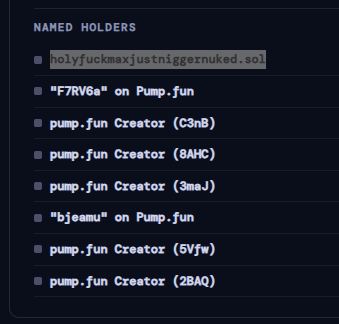
63.6K @badattrading_ I've checked and double checked and yes, that wallet sneaked its way into the bundles, can't make that shit up https://t.co/HGslHd9N3L
Nova
TA_Analyst
OnChain_Analyst
B
63.6K @badattrading_ I admire the courage but this is probably super risky lol @0xnachh
1
1
533
2026-04-17 15:13
Тренд INF после выпуска
Чрезвычайно медвежий
The tweet warns that INF is a bundled scam and advises investors to stay away.

deathmage.x .edge🦭
OnChain_Analyst
DeFi_Expert
C
2.3K @phanthanguss Бычий
The author completed a task at Inference Labs and received a reward, with a smooth onboarding experience.
Completed TruthTensor Crucible on @inference_labs submitted a DSperse slice proof, earned leaderboard points, onboarding felt like a 20m tutorial+bounty #verifiableAI $INF https://t.co/SShJH4BCqG
 0
0
8
0
0
8
2026-03-10 06:03
Тренд INF после выпуска
Бычий
The author completed a task at Inference Labs and received a reward, with a smooth onboarding experience.
О нас INFERNO
INFERNO (INF) is a cryptocurrency launched in 2024and operates on the Ethereum platform. INFERNO has a current supply of 2,944,216,113,697 with 0 in circulation. The last known price of INFERNO is 0.00000002 USD and is down -4.03 over the last 24 hours. More information can be found at https://inferno.win/mint.
Читать далее
Купить INF
Торговать INF