Rewards
Futures Daily Draw
100% Chance To Win With Daily Trades
Spot Daily Draw
Win 8,888 USDT In Grand Prizes
Mobile Top-Up
Top up mobiles easily, online, secure
Send
Send money globally, fast and secure
BitMart Mall
Live on crypto

ZKsync Live Price data
Today's price of ZKsync Is $ 0.0099 (ZK/USD). With A Market Cap Of $ 105.76M USD. 24-Hour Trading Volume Of $ 15.18M USD, A 24-Hour Price Change Of +0.00%, And A Circulating Supply Of 10.58B ZK.
ZKsync ZK Price History USD
Track the price of ZKsync for today, 7 days, 30 days and 90 days
Period
Change
Change (%)
Today
$ 0
0.00%
7days
--
--
30days
--
--
90days
--
--
Own ZK Now
Buy and sell ZK easily and securely on BitMart.
ZKsync Market Information
$ 0.0099 24h Range $ 0.0099
All time high
$ 0
All time low
$ 0
24h Change
0.00%
24h Vol
$ 15,179,258.42
Circulating supply
10.57B
ZK
Market cap
$ 105.76M
Max supply
21.00B
ZK
Fully diluted market cap
$ 209.94M
Trade ZK

ZKsync X Insight

Madbro
Influencer
Educator
S
 9.8K @SadlifeTv_
 Bullish
The $BASE airdrop is expected to be announced soon, worth watching.
Madbro
Influencer
Educator
S
9.8K @SadlifeTv_ Some times i forget the purpose of why i am here
I am here because i predicted almost everything about $ZK $STRK $LINEA and $BASE
Thats what made me famous for.
For past few days was so into memes, i think its time rethink and publish the $BASE airdrop time.
Stay tuned fam🫡
 44
44
 6
6
 5.2K
5.2K
2026-07-31 01:47
Trend of ZK after release
Bullish
The $BASE airdrop is expected to be announced soon, worth watching.

Crypto Patel
TA_Analyst
OnChain_Analyst
B
60.9K @CryptoPatel Bearish
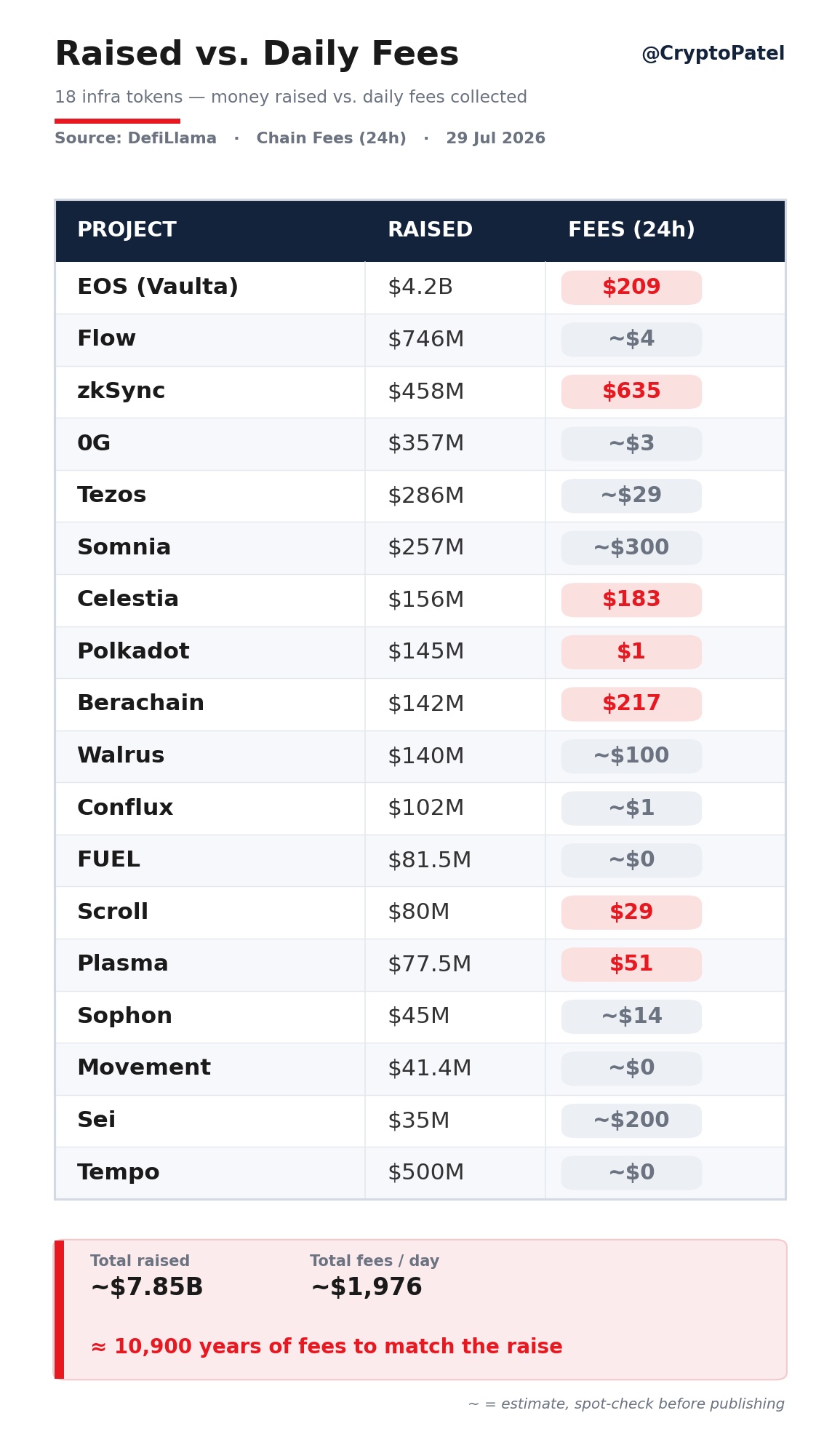
18 infrastructure chain projects raised 7.85 billion, with daily fees of only $1,976, requiring about ten thousand years to break even – the economic model is terrible.
18 Infra Chains. Billions Raised, Pennies Earned 👇
Total Raised: $7.85B
Total 24H Fees: $1,976
~10,900 Years to Earn it Back https://t.co/FVKhyKNhTy
 215
13
21.4K
215
13
21.4K
2026-07-29 19:37
Trend of ZK after release
Extremely Bearish
18 infrastructure chain projects raised 7.85 billion, with daily fees of only $1,976, requiring about ten thousand years to break even – the economic model is terrible.

ZKsync
Founder
Regulatory_Expert
D
1.5M @zksync Extremely Bullish
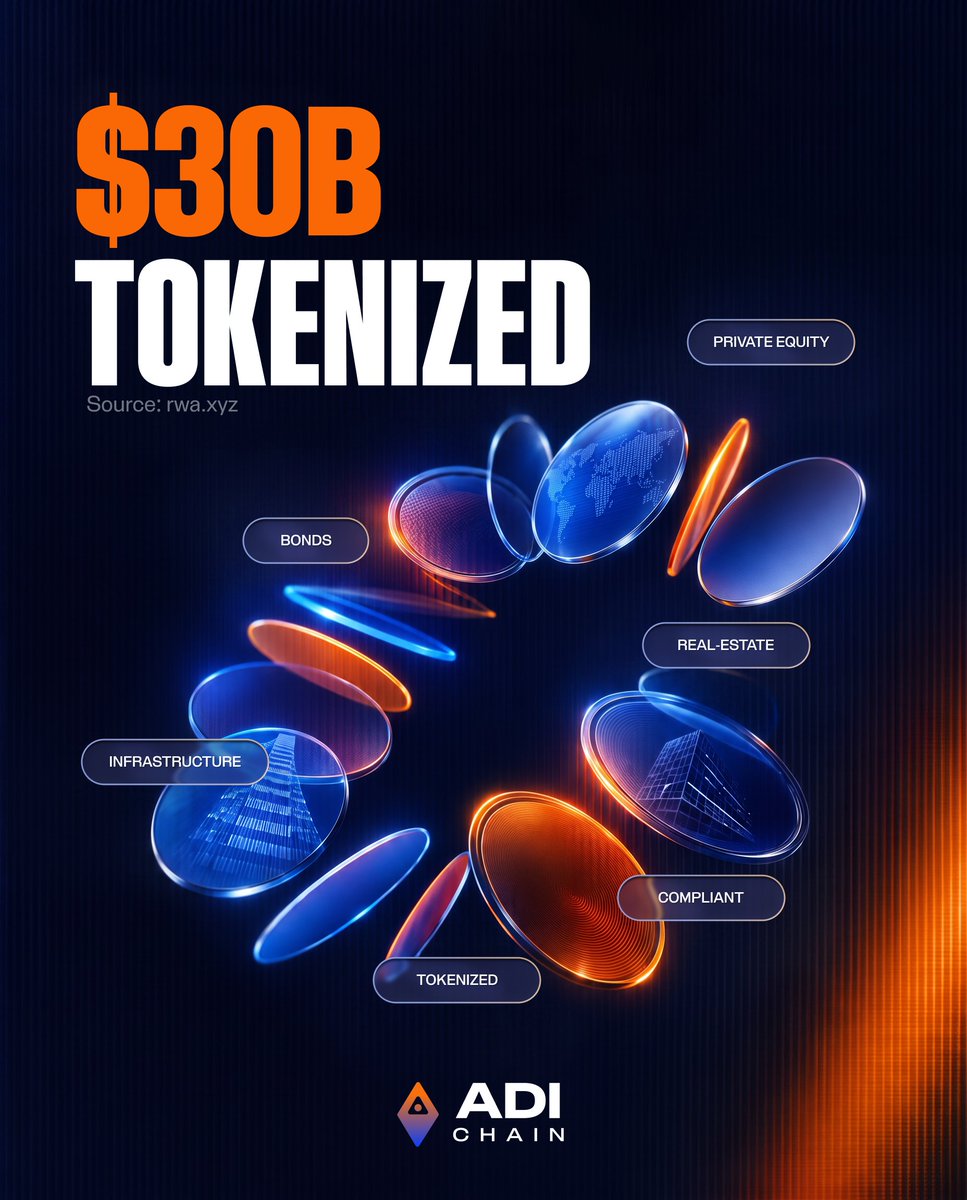
ZKsync empowers the RWA market, reaching $30 billion in size, emphasizing compliance.
MENA is moving onchain.
On fast, secure and compliance-ready @ADIChain_ rails.
Powered by @zksync.

ADI Chain D
96.5K @ADIChain_ Tokenized real-world assets crossed $30 billion* in April 2026, up 420% in 16 months.
The value proposition is clear: programmable ownership, near-instant settlement, 24/7 markets and access to previously illiquid asset classes.
But for institutions across MENA, moving assets onchain requires more than token issuance. And speed alone is not enough.
Adoption depends on infrastructure that can meet regulatory requirements across jurisdictions. It requires compliant rails for custody, identity, transfer controls and cross-border settlement.
Compliance is what turns tokenization from an onchain experiment into institutional-grade financial infrastructure.
More to follow.
*(source: https://t.co/7Nj2ramxNU)
 107
23
36.5K
107
23
36.5K
2026-07-28 17:57
Trend of ZK after release
Extremely Bullish
ZKsync empowers the RWA market, reaching $30 billion in size, emphasizing compliance.
Price Prediction
When is a good time to buy ZK? Should I buy or sell ZK now?
When deciding whether it’s a good time to buy or sell ZKsync (ZK), it’s important to first align with your own trading strategy and risk profile.Long-term investors and short-term traders often interpret market conditions differently, so your decision should reflect your personal approach. According to the latest ZK 4-hour technical analysis, the current trading signal is Hold.

Beacon Prediction
Probabilistic Price Forecast (Next 24 Hours)Beacon Prediction Disclaimer
The data results displayed on this page are analyzed based on actual trading data (OHLCV) of the selected trading pair along with corresponding technical indicators.
This prediction is an experimental technical product and is provided for reference purposes only. It does not constitute investment advice. Unexpected real-world events may significantly impact market behavior. Traders should make decisions with caution.
This prediction is an experimental technical product and is provided for reference purposes only. It does not constitute investment advice. Unexpected real-world events may significantly impact market behavior. Traders should make decisions with caution.
About ZKsync
ZKsync (ZK) is a cryptocurrency launched in 2024and operates on the zkSync Era platform. ZKsync has a current supply of 14,968,043,449.60028423 with 10,578,629,508.41962556 in circulation. The last known price of ZKsync is 0.01157178 USD and is down -1.16 over the last 24 hours. It is currently trading on 275 active market(s) with $32,034,078.73 traded over the last 24 hours. More information can be found at https://zksync.io/.
Read More
Buy ZK
Trade ZK