
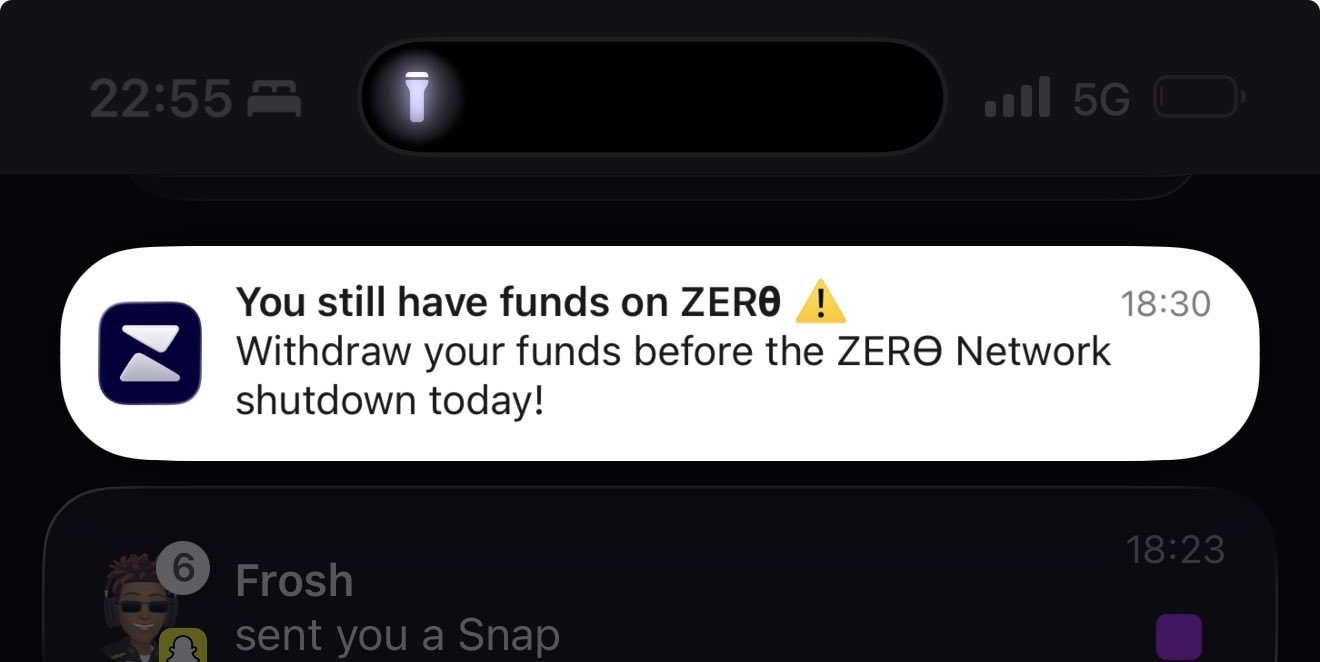
Another one shutting down
I have not made a single transaction on this blockchain
If you have your funds there please withdraw it
It’s getting scary atp https://t.co/B0Jo1NNYLI


 11.6K @T_A_K_E_N_1
 Another one shutting down
I have not made a single transaction on this blockchain
If you have your funds there please withdraw it
It’s getting scary atp https://t.co/B0Jo1NNYLI
 56
56
 31
31
 754
754
 5.9K @0xMrBeefman
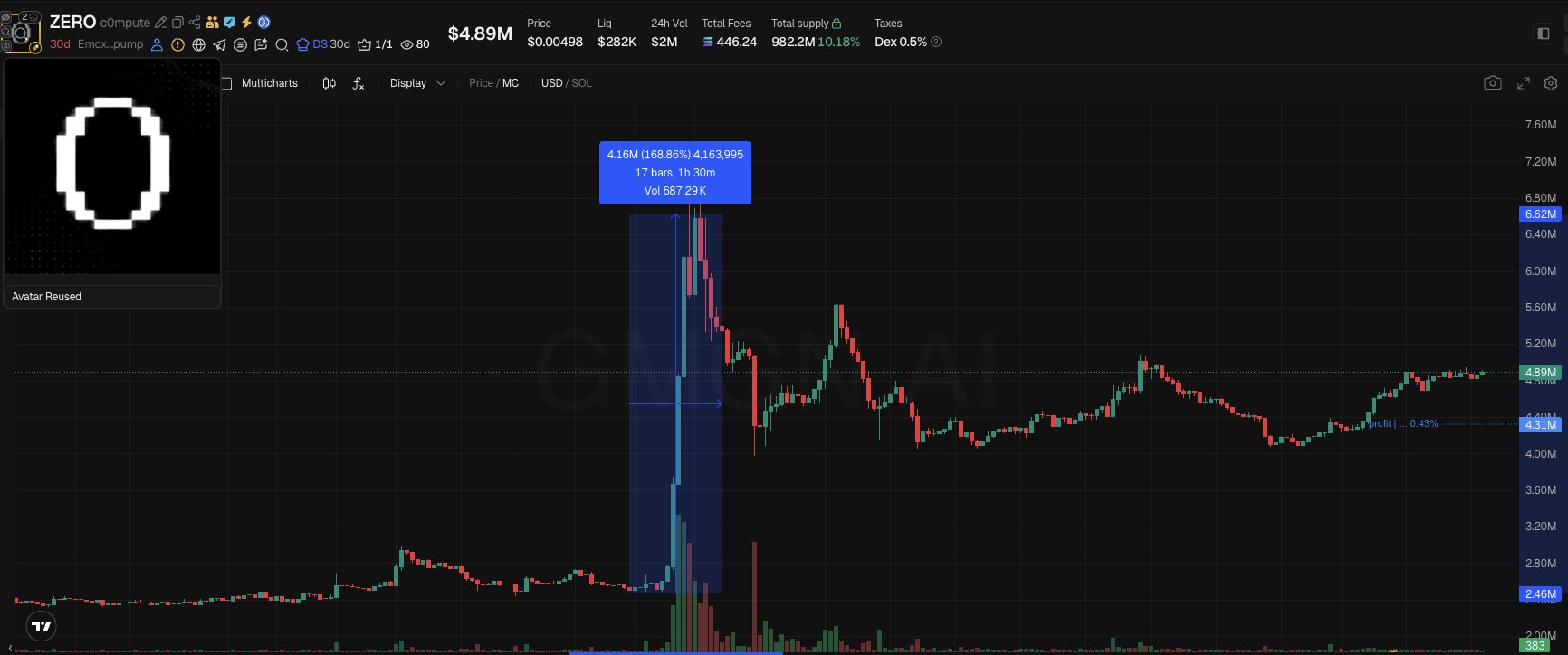
 [Update] $ZERO 4.94M
EmcxFTNVDqyLHp11NvwvLZ4D7LKGbG9i7B8RF7dwpump
Yesterday got the strongest pump on the token. Initially I thought this post contributed https://t.co/vvSHZ22Yk0 but then compared the timings and understood it doesn't match.
All other posts I saw shouldn't have given such a pump. If you have ideas why such growth, write in replies.
> My Meteora LP Setup
Yesterday exited to good profit, didn't reenter. Planning to figure out in the coming days what the pump was on.
 5.9K @0xMrBeefman
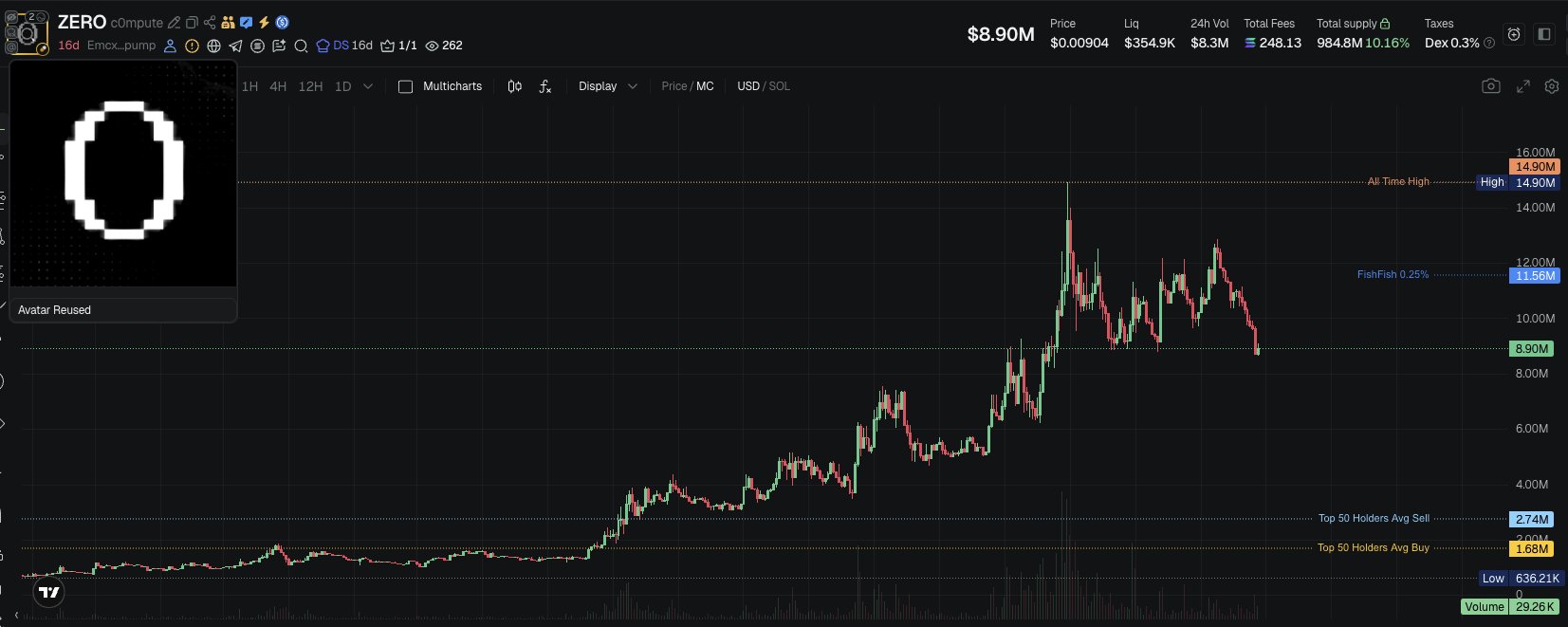
 Seems everything is fine, but there's one thing.
$ZERO 9.38M
EmcxFTNVDqyLHp11NvwvLZ4D7LKGbG9i7B8RF7dwpump
Project created as alternative to centralized AI: privacy, no censorship, resilience to downtime and data center monopoly.
I, by the way, basically tested this model as a user. Asked several dozen complex tricky questions and 95% of answers were correct. In terms of product, what I see in the browser is quite decent.
Developer can be researched independently and conclusions drawn @leyten
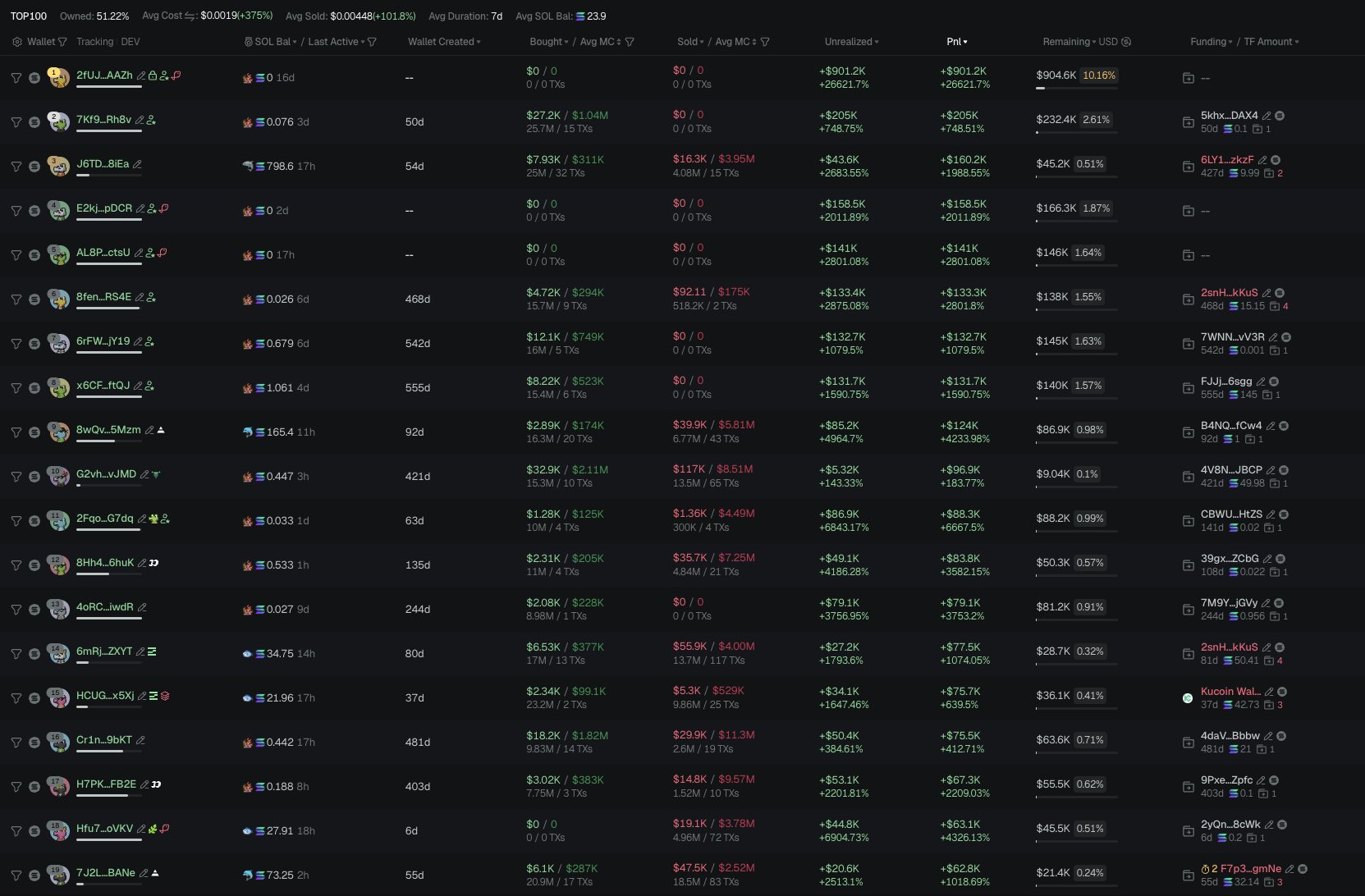
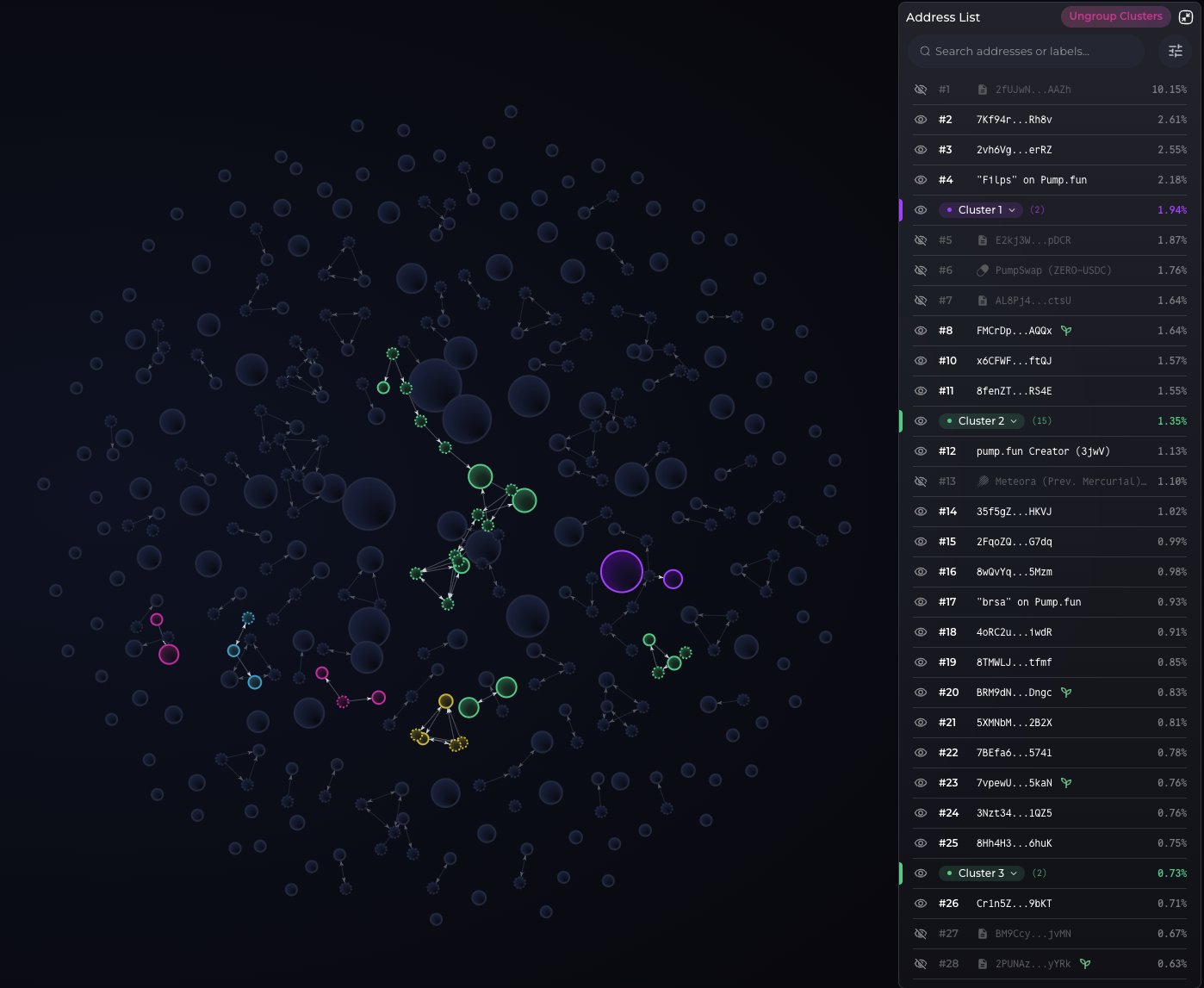
Visible chunk of onchain distribution looks normal.
Biggest red flag I see is the set of KOLs and their positions on side wallets. I just don't understand what they're doing in this project, not their thing. I hope they're not actually secretly heading this project.
Verified on Moonshot, not bad not good.
> Where I'm Parked on Meteora
Not the first day working with the token. Rebalance 1-2 times a day. Depending on expectations I choose different liquidity pool.
· If I expect sharp drop https://t.co/Tjpgij1NoA
· If I e
 3
1
1.9K
3
1
1.9K
 46.3K @Eli5defi 46.3K @Eli5defi
 Decentralized AI compute is a notoriously fuck*ng unforgiving arena.
And there’s a reason most “distributed frontier model” dreams crashed and burned: latency.
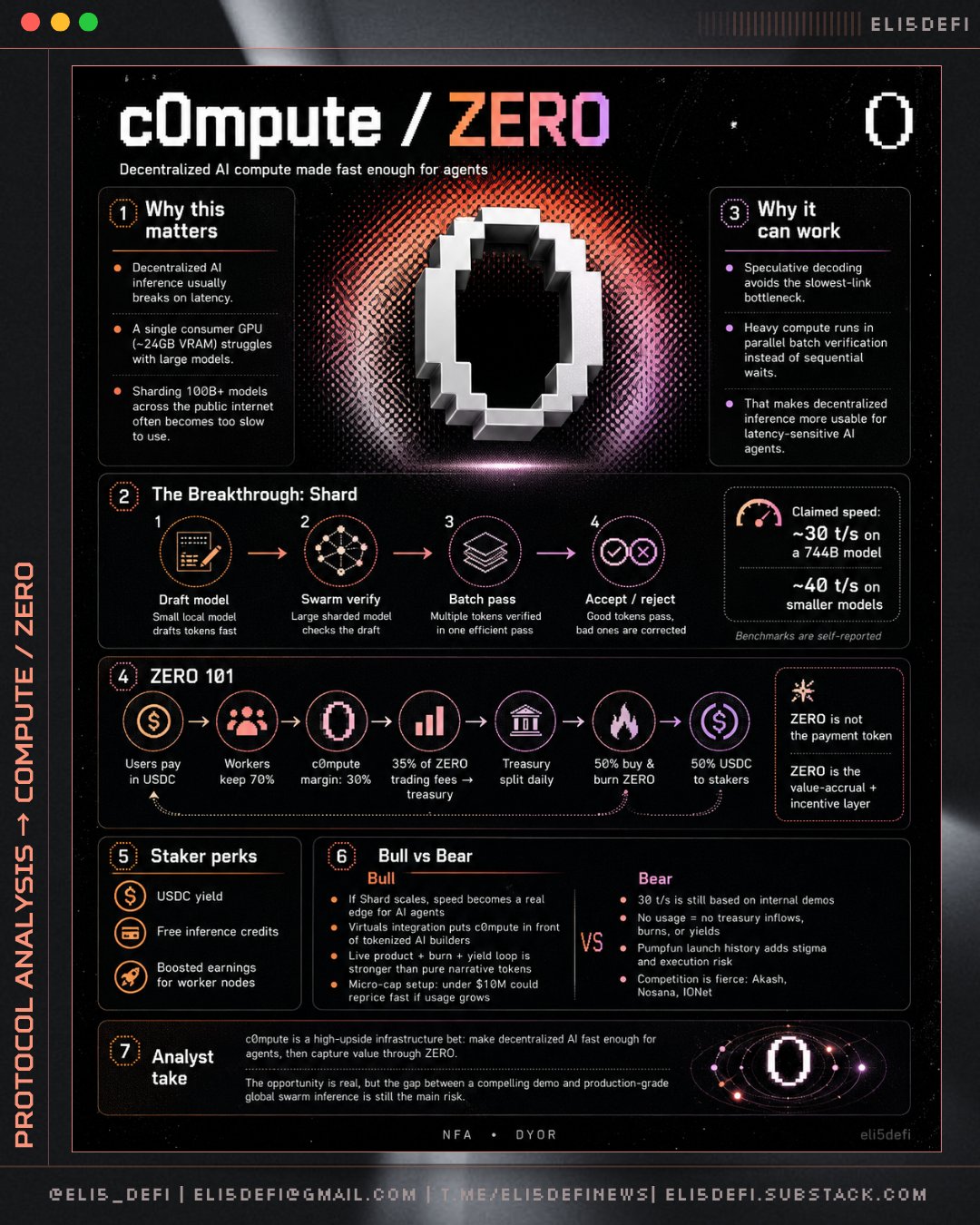
Try sharding a 100B+ parameter model across a bunch of consumer GPUs scattered around the public internet and you don’t get magic, you get pain: single-digit tokens per second and a system that’s basically unusable.
So when @c0mputeAI says they’ve finally killed the latency bottleneck, and then locks in a partnership with @virtuals_io Protocol to serve as the compute layer for tokenized AI agents, I couldn’t not pay attention.
Is it actually as good as it sounds… and where’s the gotcha?
So here is my personal analysis.
---
➥ The Breakthrough: "Shard" Distributed Inference
To understand why c0mpute is interesting, you have to understand why decentralized AI inference has historically failed.
A single consumer GPU (like an RTX 4090) only has 24GB of VRAM, barely enough for an 8B-30B model. Running frontier models (e.g., 744B parameters) usually
 126
25
7.3K
126
25
7.3K
