
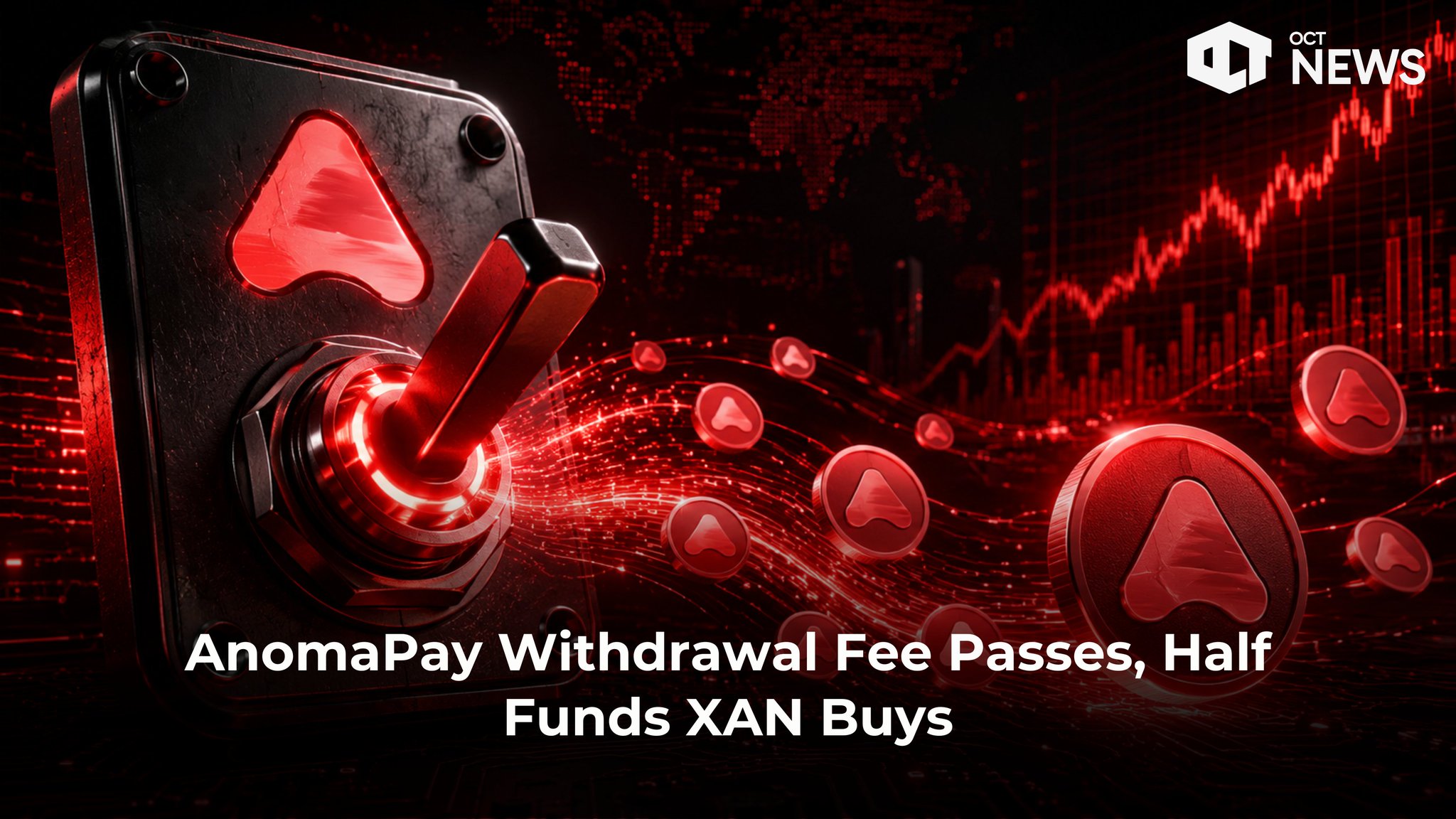
AnomaPay Withdrawal Fee is approved. Learn how the 0.25% fee works, where the revenue goes, and what it means for XAN holders.
Read More👇
https://t.co/H9GQFvjwPC https://t.co/8QkWQAn6ov


 1.9K @news_oct
 AnomaPay Withdrawal Fee is approved. Learn how the 0.25% fee works, where the revenue goes, and what it means for XAN holders.
Read More👇
https://t.co/H9GQFvjwPC https://t.co/8QkWQAn6ov
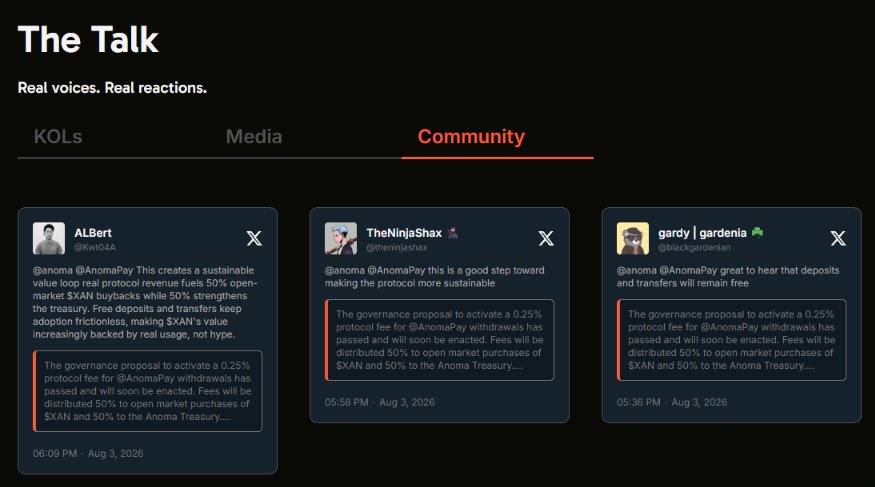
1.9K @news_oct Check key reactions on "The Talk"🔽 https://t.co/H8ZNspv7w0
 6
6
 1
1
 158
158
 22.4K @OGAudit
 OGAudit Web3 Research: @anoma $XAN - Building a Blockchain Where You Declare Outcomes, Not Transactions
Anoma is built on an “intent‑centric” architecture; instead of having users construct a specific transaction step‑by‑step, they broadcast a desired outcome (e.g., “swap 1 ETH for at least 3,000 USDC”), after which an independent solver network competes to find and execute the optimal path to achieve that result:
- The whitepaper, authored by core team members Christopher Goes, Awa Sun Yin, and Adrian Brink and released in August 2022, focuses on the Anoma Resource Machine (ARM), a state model specifically built for intents rather than retrofitting intents onto existing account‑based or UTXO‑based chains as some competing solutions do.
- Namada, built by the same Heliax research lab and sharing Anoma’s core architecture, launched its mainnet in Q1 2024 and serves as the clearest real‑world demonstration of the technology in production; it includes a MASP (Multi‑Asset Shielded Pool) circuit that enables users to conduct shielded, private transactions among multiple assets such as ETH, USDC, and DAI within a single pool.
- XAN is designed to provide staking and network security for validators, incentives for solvers (users pay fees in XAN to solvers who successfully match and execute their intents), and on‑chain governance; in governance, a voter group can lock XAN to propose and vote on protocol upgrades, while a separate multisig governance committee can also propose changes subject to voter veto.
Given a rigorously researched, well‑funded intent‑centric architecture with Namada already proving core pieces of the technology work in live production, is it truly a different and more flexible foundation for Web3 coordination than transaction‑based chains, or does requiring everyday users to express rich intents (rather than simple transactions) make adoption heavily dependent on still‑maturing solver infrastructure and tooling?
Category: Layer 1 / Infrastructure
Coin Name: $XAN
Market Cap: $29.11M
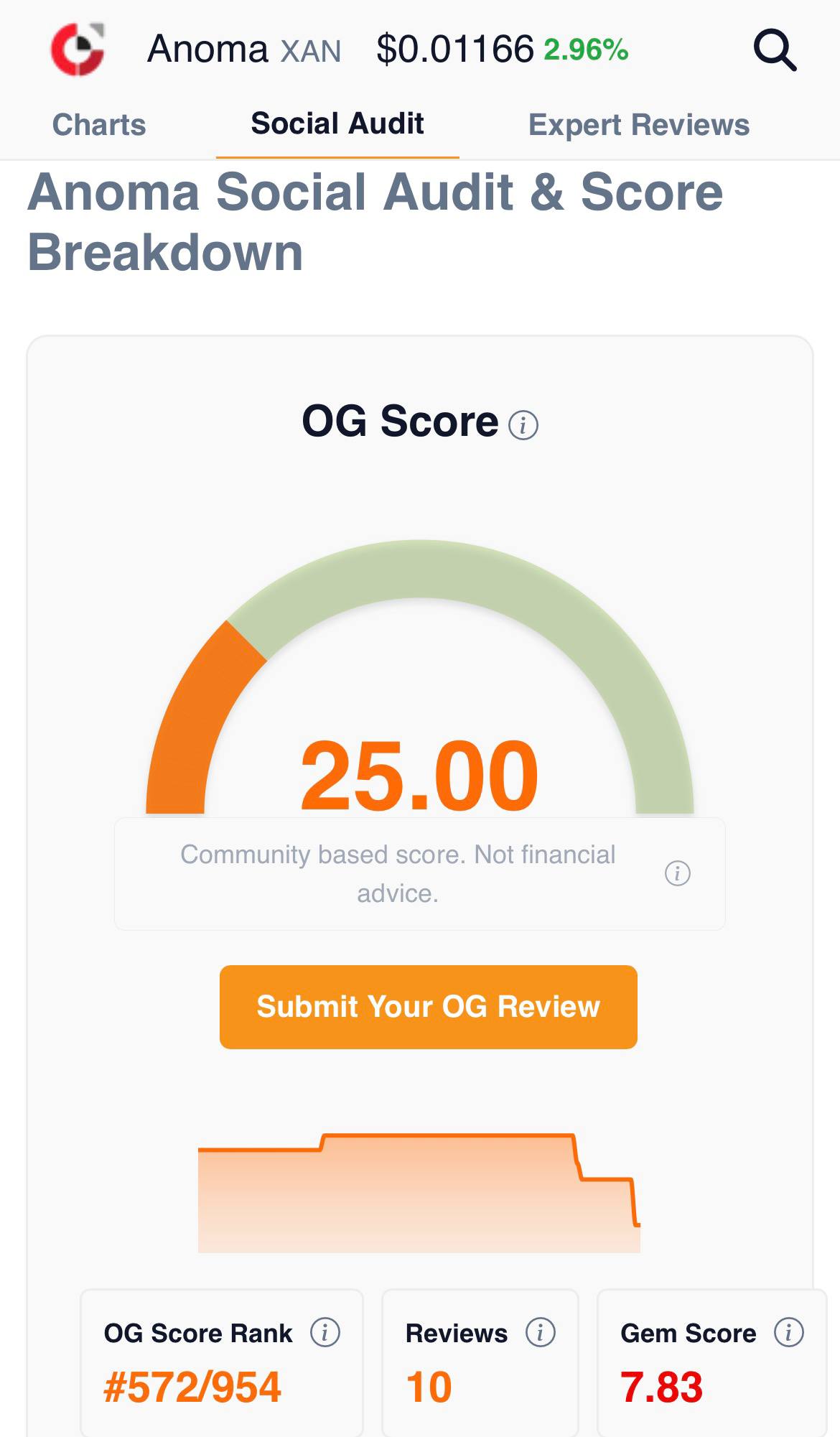
OG Score: 25
OG Score Rank: #572/954
See the Social Audit with reviews by crypto OGs and more on the $XAN coin page: ogaudit(.)com/crypto/anoma-xan
https://t.co/f7L0htDCJ5

 9
2
618
9
2
618
 50.2K @ZoomerOracle
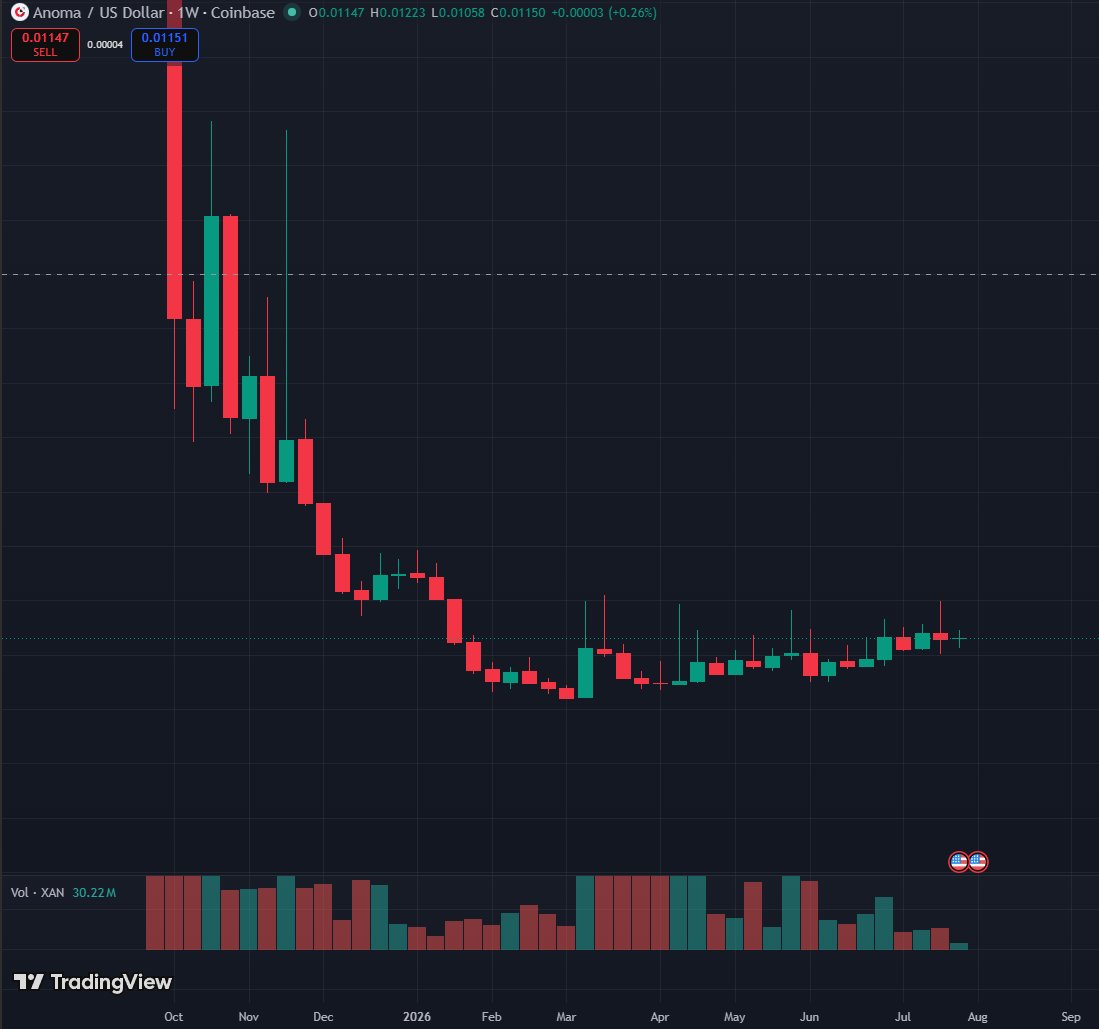
 Privacy neobanks only get more important as we move into regulated environments, and thats the lane anoma's building.
and they're shipping: @anomapay live, $XAN going multichain, confidential card next. https://t.co/Kjgpb9gmi2
 55
2
3.4K
55
2
3.4K
