 USDC (USDC)
$1.000729 +0.01% 24H
- 93소셜감성지수(SSI)+180.31% (24h)
- #23마켓 흐름 순위(MPR)+99
- 5024시간 SNS 멘션+354.55% (24h)
- 82%24시간 KOL 상승세 비율활동적인 KOL 39명
- 요약
- 강세 신호
- 약세 신호
소셜감성지수(SSI)
- 데이터 전체93SSI
- SSI 트렌드(7일)가격(7일)시장 심리 분포매우 강세 (20%)상승세 (62%)중립 (18%)SSI 인사이트
마켓 흐름 순위(MPR)
- 알림 인사이트
X 게시물
 Top 7 Crypto | Analytics & Alpha 펀더멘털 분석가 온체인 분석가 C151.54K @top7ico
 Variational D62.29K @variational_io
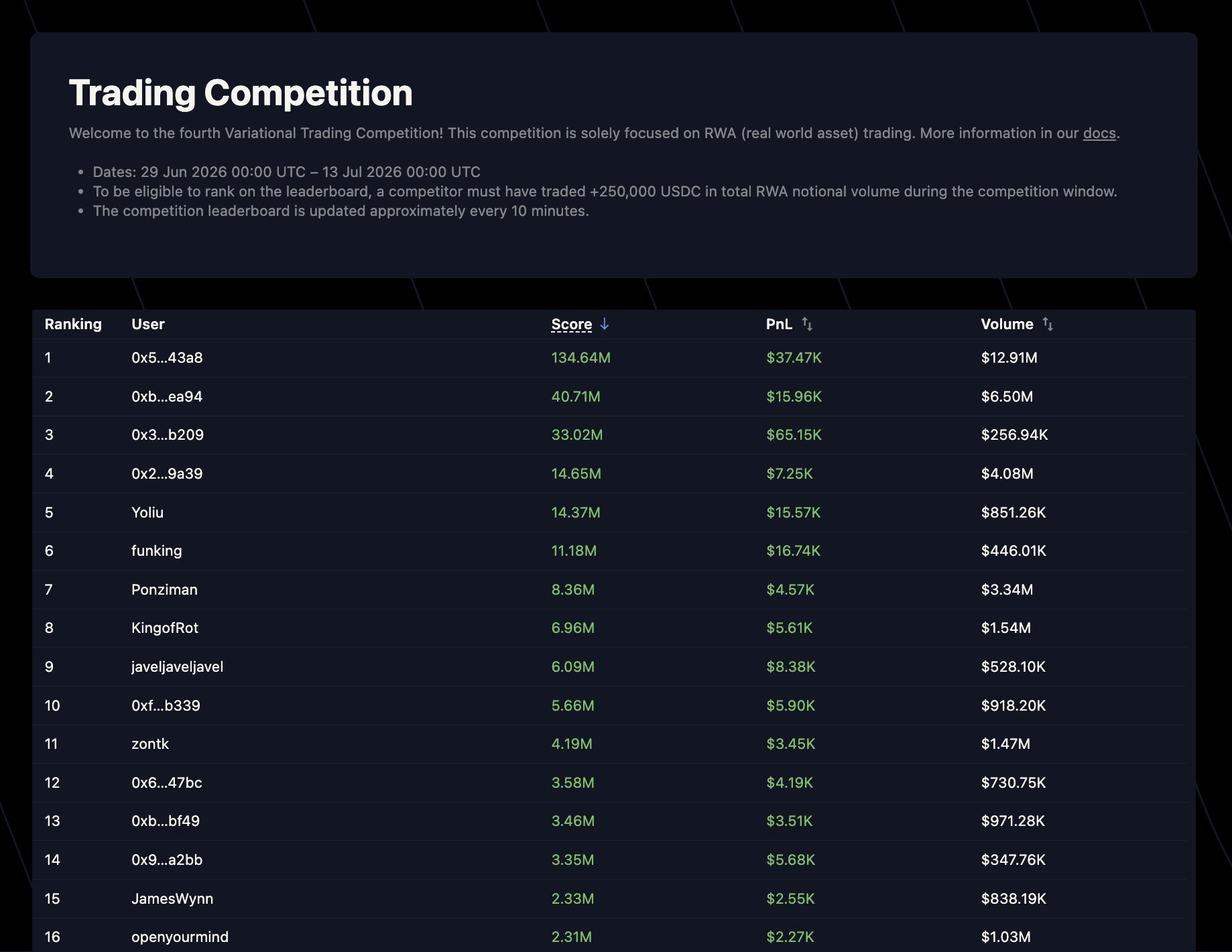 1 1 2.75K 원본 >USDC의 출시 후 추세상승세
- USDC의 출시 후 추세중립
- USDC의 출시 후 추세중립
- USDC의 출시 후 추세상승세
- USDC의 출시 후 추세상승세
- USDC의 출시 후 추세중립
- USDC의 출시 후 추세매우 강세
- USDC의 출시 후 추세상승세
- USDC의 출시 후 추세상승세
 materkel.eth 🦇🔊 펀더멘털 분석가 인플루언서 A5.85K @materkel
 tokenbrice.eth (🐜,🔍) D26.21K @TokenBrice10 3 878 원본 >USDC의 출시 후 추세상승세