The Drift incident might be classified as 'civil negligence'. What does this mean for the cryptocurrency market regulation? The Bitcoin community is open to discussing and finding solutions. https://t.co/rGdMpomju7
Add some content:
The proper standard operating procedure (SOP) should not be to generate a private key on a paper wallet website and then check whether the address has any transaction history.
Even if the address has no transaction history, you should still avoid using it, because you don't know whether those private keys have been brute‑forced by hackers, even though no unlucky user has stored funds with them.
The correct answer is: it's best not to generate private keys on paper‑wallet websites. If you must, use the offline, open‑source BitAddress. https://t.co/XuvrQVdpZr
Of course, using it as classroom material to teach students works quite well.
Personally, I still recommend the approach based purely on physical experiments.
Reference: https://t.co/ZXgeUHICou
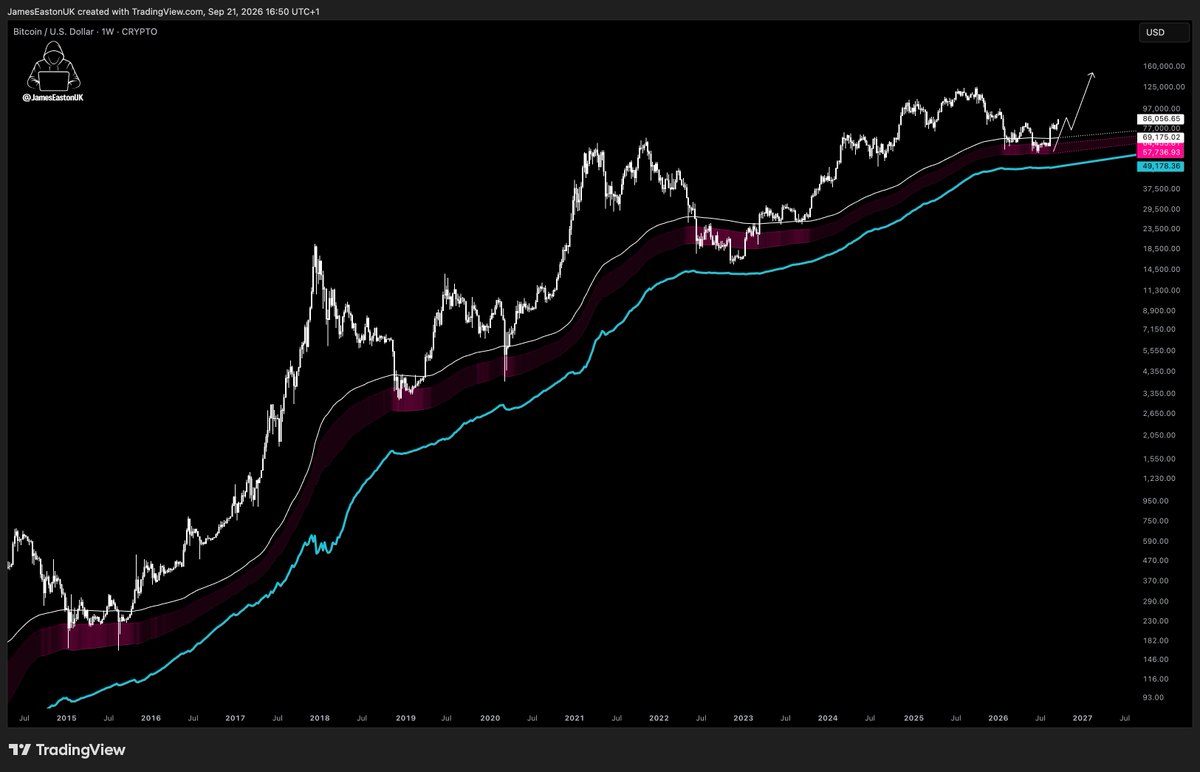
Bitcoin, as Mr. Bitcoin points out, is in a phase that requires caution.
Especially on Sundays in US time, reduced liquidity makes prices more prone to swings and tends to generate 'trick' movements.
It is important not to overreact to short‑term moves and to discern the structure and flow.
Below, a short video may also be helpful.
⬇️
https://t.co/BrjZysCatF
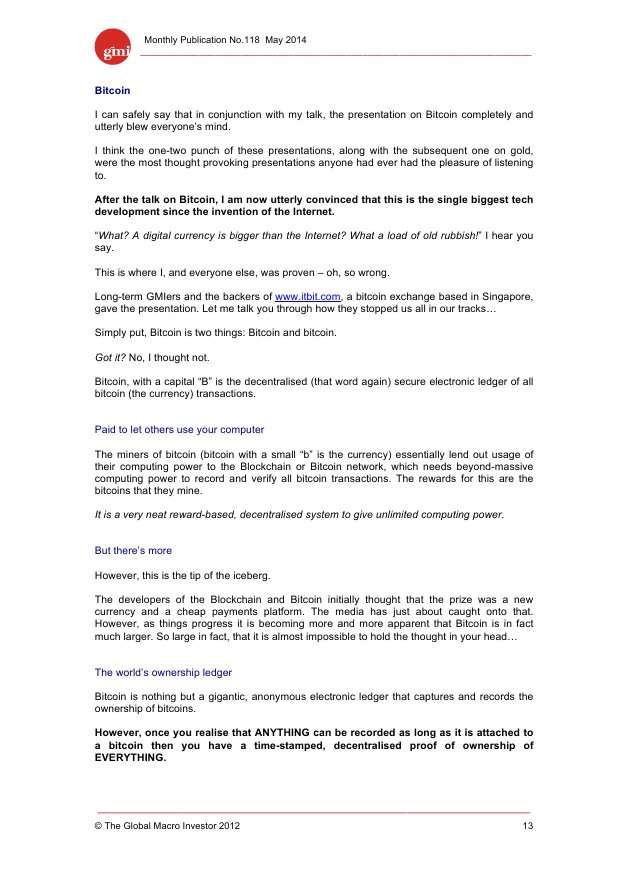
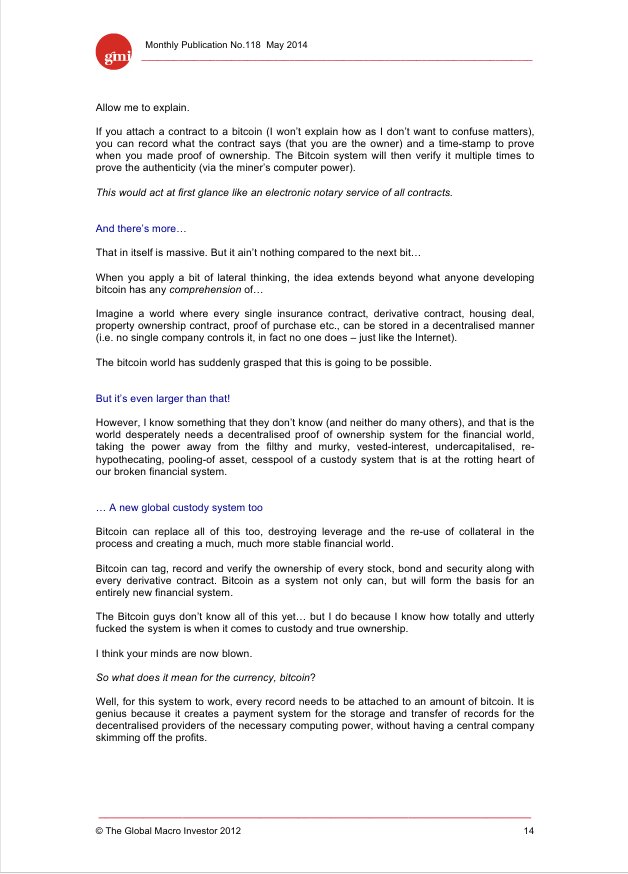
Bitcoin (BTC) is a digital asset and a payment system invented by Satoshi Nakamoto who published a related paper in 2008 and released it as open-source software in 2009. The system featured as peer-to-peer; users can transact directly without an intermediary. Transactions are verified by network nodes and recorded in a public distributed ledger called the blockchain. The ledger uses bitcoin as its unit of account. The system works without a central repository or single administrator, which has led the U.S. Treasury to categorize bitcoin as a decentralized virtual currency. Bitcoin is often called the first cryptocurrency, although prior systems existed. Bitcoin is more correctly described as the first decentralized digital currency. It is the largest of its kind in terms of total market value by now.