RWAs are already a $1T+ asset class.
But RWAs on-chain?
Still under $100B.
That gap is where the opportunity lives.
→ @Zebec_HQ ( $ZBCN )
→ @ClearpoolFin ( $CPOOL )
→ @centrifuge ( $CFG )
Three projects are quietly defining that bridge 👇
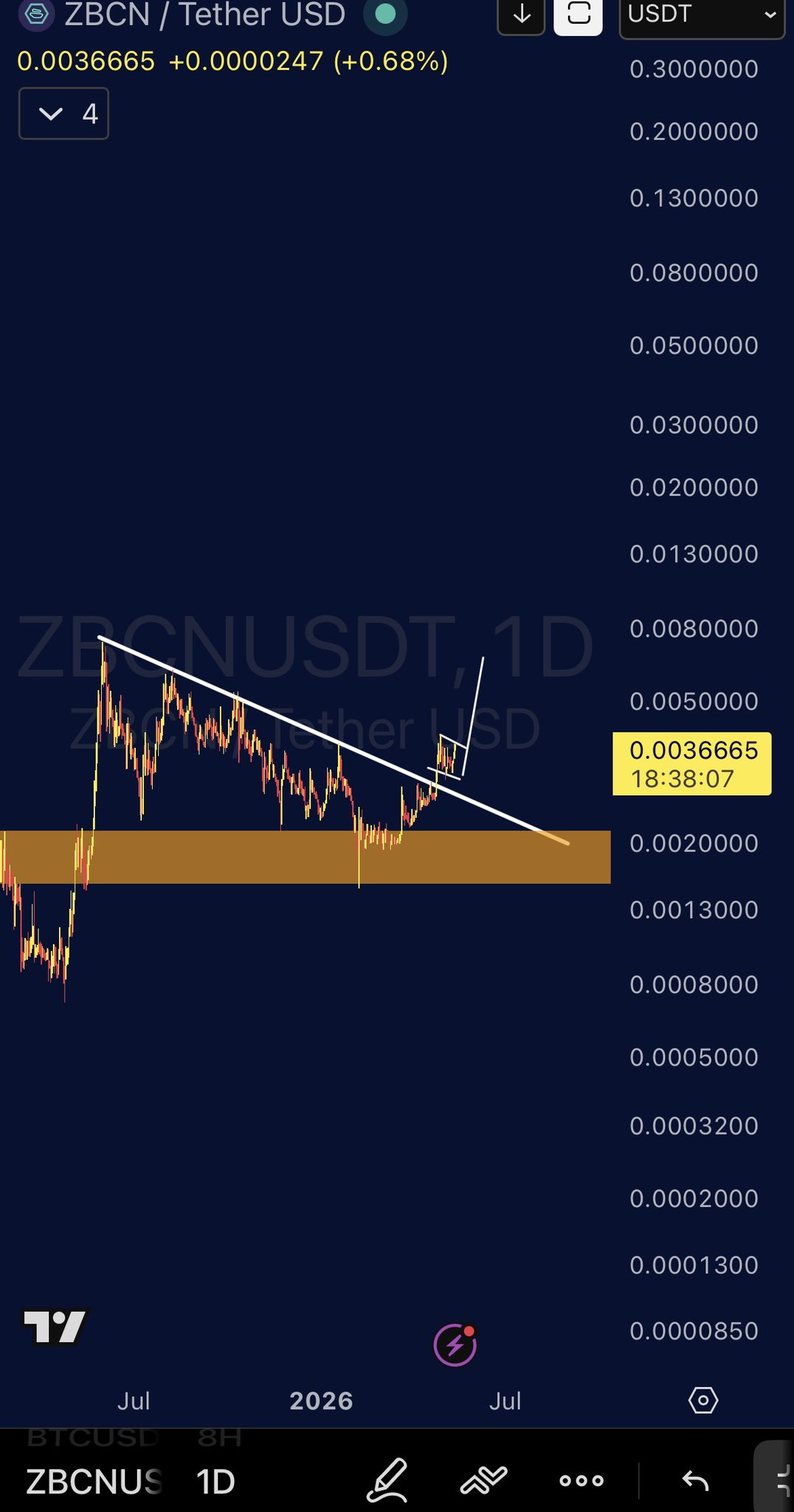
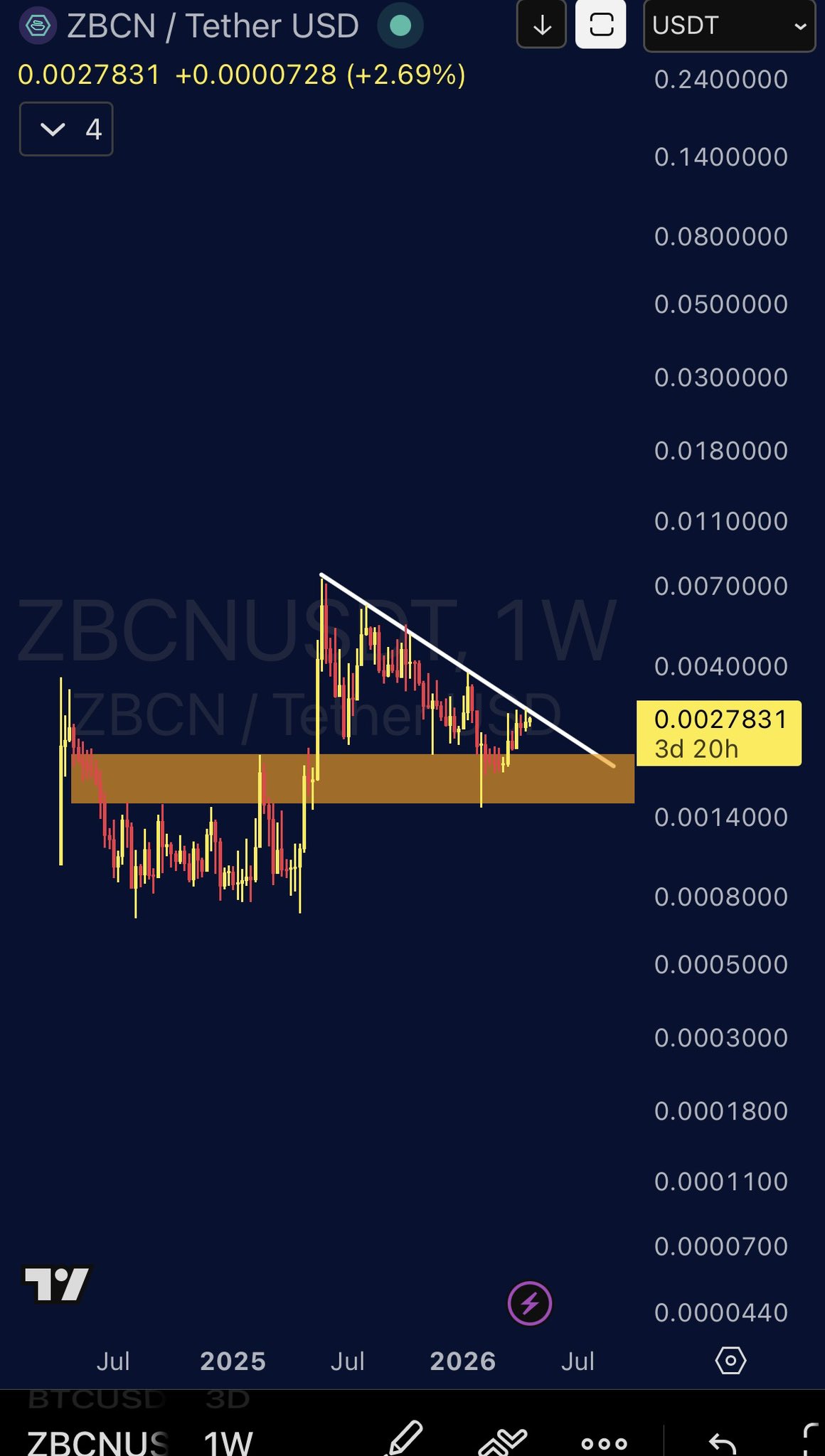
🔵 Zebec Network ( $ZBCN ): Real-Time Payments as RWA Rails
✦ Architecture → Continuous Settlement + Multi-Chain Payment Infrastructure
Zebec doesn’t approach RWAs from the asset side it starts with money movement.
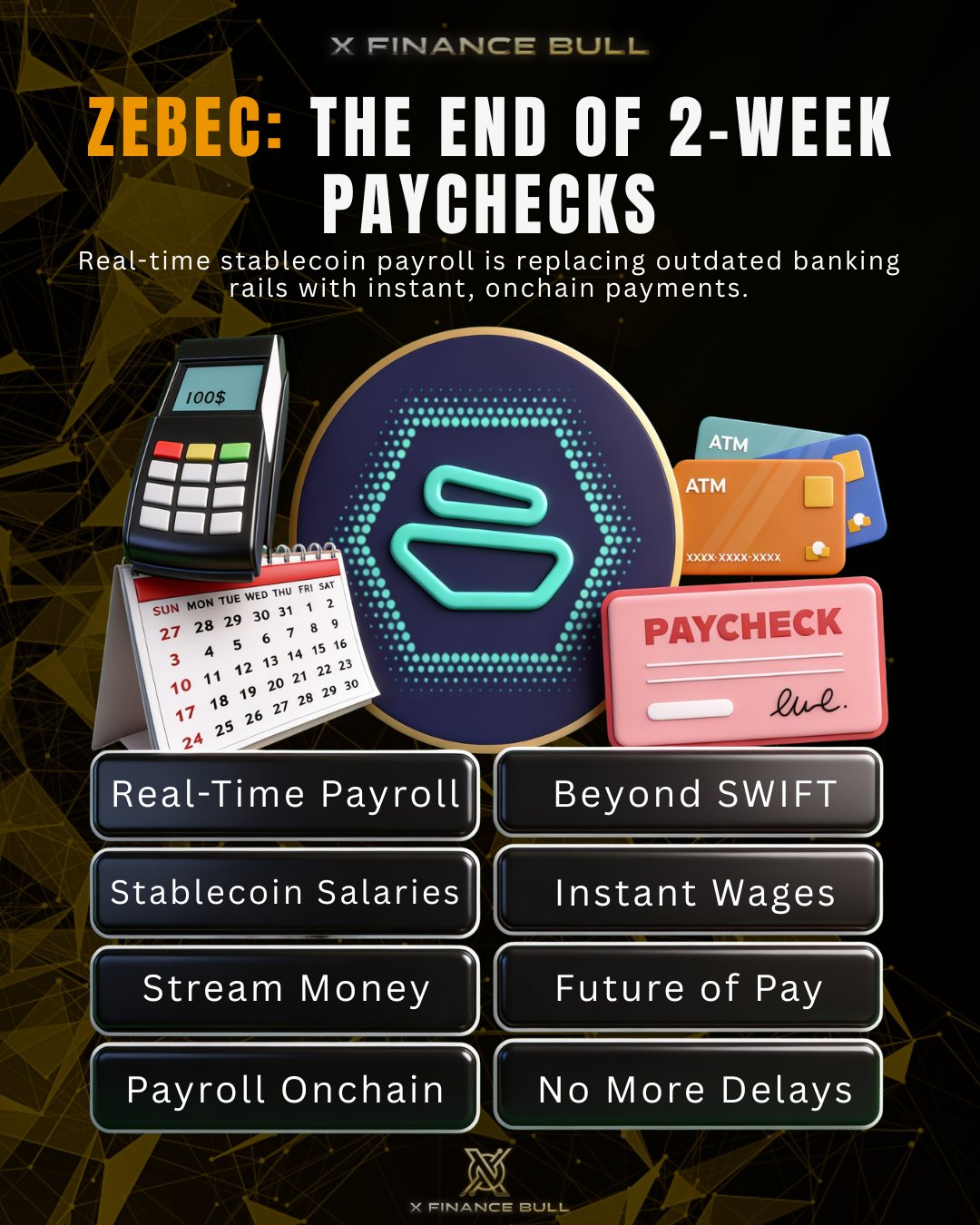
Originally launched on Solana, Zebec introduced per-second payroll streaming, allowing wages to flow continuously instead of waiting weeks for a paycheck.
That single design choice reframes how income, liquidity, and spending work in a crypto-native world.
Instead of locking value into static instruments, Zebec turns cashflows themselves into programmable, on-chain assets.
Over time, the architecture expanded beyond Solana into a multi-chain settlement layer, now operating across:
• Solana
• Ethereum
• BNB Chain
• Tron
• Additional payment-focused networks
This lets Zebec function as a neutral payment rail rather than a single-chain app.
Security and compliance are handled through a hybrid model.
Payroll services operate through U.S.-licensed subsidiaries, while integrations with Circle and Stellar enable compliant USDC payroll and cross-border remittances.
Zebec isn’t tokenizing bonds first.
It’s tokenizing how money actually moves.
✦ Utility → Payroll, Treasury, Cards, and Retail Payments
Zebec’s product stack is built around real financial workflows not speculative instruments.
At the center is Zebec Pay, a super-app that combines payroll, treasury management, and consumer payments into a single interface.
That expands into:
• Zebec Cards: Mastercard-backed debit cards for instant crypto-to-fiat spending
• ZePIN: a DePIN-style retail payments network bridging crypto rails with physical commerce
This enables:
• Employees accessing earned wages in real time
• DAOs running payroll without banking delays
• Freelancers receiving and spending income instantly
• Merchants settling globally without intermediaries
Zebec turns RWAs into something users actually touch wages, cards, and retail transactions instead of abstract financial products.
✦ Economy → Fee-Driven Utility + Network Expansion
$ZBCN coordinates usage across the entire ecosystem.
• Used for transaction fees and network operations
• Supports governance across products and treasury decisions
• Captures value as payment volume scales
Rather than relying on yield farming or artificial incentives, Zebec’s growth is tied directly to payment velocity.
As more wages, remittances, and retail payments move on-chain, the network becomes harder to replace.
My take: Zebec feels less like BlackRock-on-chain and more like Stripe for RWAs quietly embedding crypto into everyday financial flows.
🟢 Clearpool ( $CPOOL ): Institutional Credit Goes On-Chain
✦ Architecture → Uncollateralized Lending + Compliance-First L2
Clearpool tackles RWAs from the credit market side where the largest pools of capital actually live.
Instead of over-collateralization, Clearpool enables uncollateralized institutional borrowing, pricing risk based on borrower reputation and creditworthiness.
Its architecture supports multiple lending environments:
• Dynamic Pools for permissionless, variable-rate lending
• Credit Vaults for curated, yield-focused RWA exposure
• Clearpool Prime, a permissioned platform for wholesale institutional credit
To scale this model compliantly, Clearpool built Ozean, an Ethereum Layer-2 purpose-built for RWAs.
Ozean introduces:
• KYC-enabled access
• Permissioned borrowing environments
• Regulatory-aligned settlement rails
This allows Clearpool to operate where most DeFi protocols cannot inside institutional compliance constraints.
✦ Utility → Credit Markets, Treasury Yields, and Institutional Access
Clearpool’s real achievement is proving that on-chain credit works.
The protocol has originated $900M+ in stablecoin loans, serving market makers, trading firms, and fintechs that require capital efficiency without over-collateralization.
Use cases include:
• Institutional borrowing against balance-sheet reputation
• Treasury-grade yield products via Credit Vaults
• Wholesale liquidity markets through Clearpool Prime
Rather than chasing retail hype, Clearpool positions DeFi as a credit marketplace, not a casino.
✦ Economy → Governance, Staking, and Revenue Buybacks
$CPOOL underpins protocol governance, staking, and value capture.
• Token holders govern pool parameters and expansion
• Revenue flows back via buybacks
• Staking aligns long-term participation
As credit demand grows, protocol activity not speculation drives value.
My take: Clearpool is the institutional spine of RWAs. If real-world credit migrates on-chain, this is one of the most direct beneficiaries.
🔴 Centrifuge ( $CFG ): The DeFi Credit Pioneer
✦ Architecture → Structured Credit Pools + On-Chain NAV
Centrifuge was building RWAs long before they became a narrative.
Its core innovation is structured private credit on-chain, enabling assets like invoices, SME loans, and trade finance to be tokenized into DeFi-native pools.
The system supports:
• Senior, mezzanine, and junior tranches
• On-chain NAV accounting
• ERC-4626 and ERC-7540 standards for composability
This allows investors to choose risk profiles while maintaining transparent asset backing.
✦ Utility → Private Credit, MakerDAO, and DeFi Liquidity
Through Tinlake, businesses bring real-world assets on-chain, while investors fund them via structured pools.
New revolving pools enable continuous lending and redemptions, replacing rigid maturity schedules.
Centrifuge’s biggest validation comes from adoption:
• MakerDAO uses Centrifuge assets as collateral
• Aave integrates senior tranches for liquidity
That gives Centrifuge deep roots inside DeFi itself.
✦ Economy → Governance-Driven, Long-Term Alignment
$CFG governs pool creation, protocol upgrades, and ecosystem direction.
Access is permissioned where required, ensuring compliance without breaking DeFi composability.
Rather than chasing speed, Centrifuge focuses on durability slow, steady integration with real credit markets.
My take: Centrifuge is boring in the best way possible. It’s the credit backbone that keeps showing up everywhere serious liquidity exists.
🔚 Conclusion: The RWA Edge
These projects aren’t competing they’re stacking.
• Zebec → payroll and payment cashflows
• Clearpool → institutional credit markets
• Centrifuge → structured private debt
RWAs won’t enter crypto through speculation.
They’ll enter through payments, credit, and compliance.
Final Rankings:
Tech Depth:
$CFG > $CPOOL > $ZBCN
Regulatory Readiness:
$CPOOL > $CFG > $ZBCN
User-Facing Utility:
$ZBCN > $CPOOL > $CFG
💡 My Takeaway
If you want real-time cashflow rails → Zebec ( $ZBCN )
If you want institutional lending exposure → Clearpool ( $CPOOL )
If you want DeFi-native credit markets → Centrifuge ( $CFG )