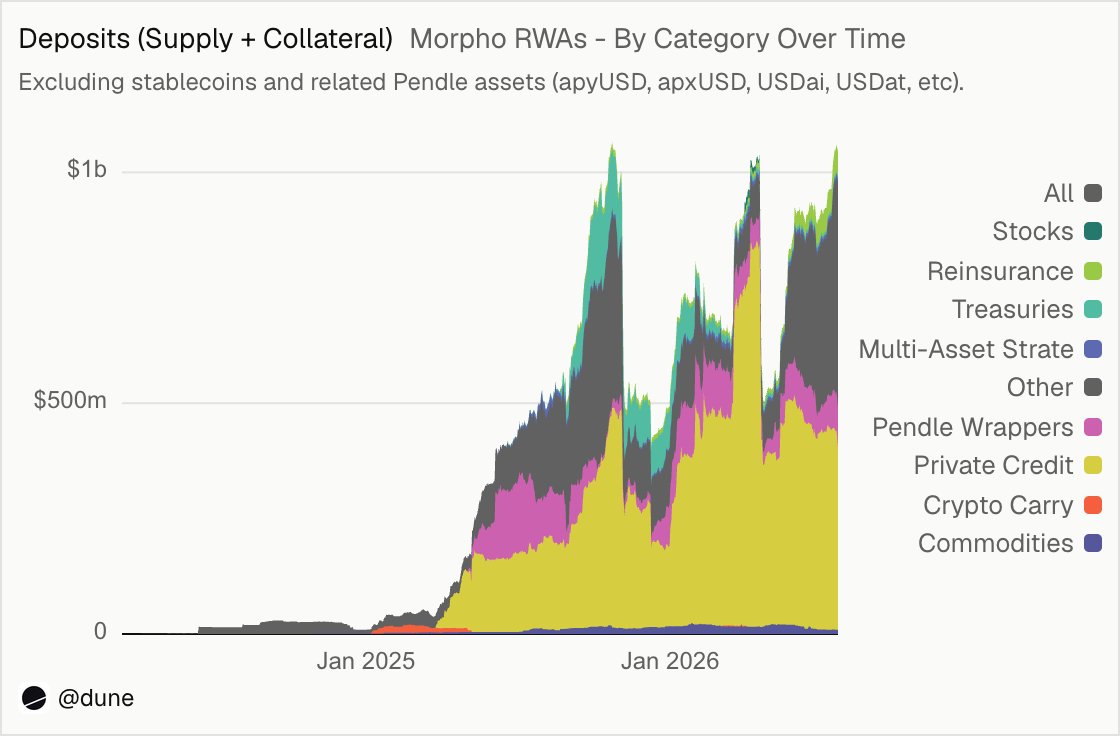
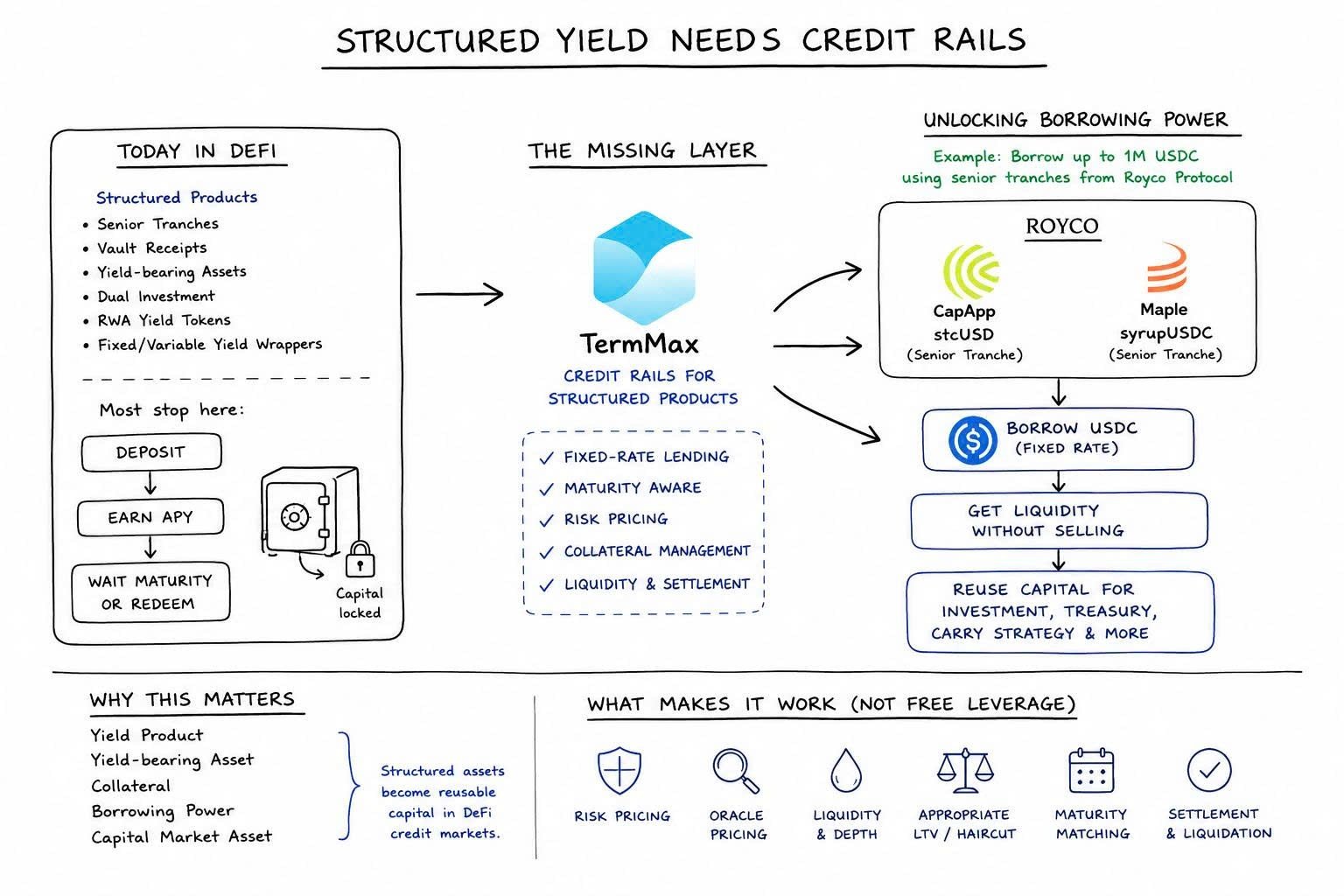
Interesting to see Neobanks make a resurgence on the scene lately 💵
The OG neobanks made banking easier to use, where companies replaced physical branches and outdated websites with mobile apps, faster onboarding, lower fees, and cleaner user experiences.
These newer "Crypto Neobanks" are beginning to change this by combining the simplicity of a modern financial application with stablecoins, blockchains, & decentralized finance.
Users should be able to save, spend, send, borrow, and earn from one familiar application, without needing to understand what is happening behind the scenes.
Instead of expecting users to manage different wallets, bridge assets between networks, compare lending markets, or interact directly with smart contracts, a crypto Neobank can package these activities into products that feel more like a normal bank account.
DeFi protocols can provide the underlying infrastructure for lending, borrowing, exchanging assets, and generating yield. The neobank then creates the consumer-facing experience around that infrastructure.
A user may simply see a dollar balance earning a competitive rate. Behind the scenes, that balance could be held in stablecoins and allocated across onchain lending markets. A user might also borrow against an asset through a simple credit interface, while the actual loan is executed through a decentralized lending protocol.
Users may not need to know which blockchain, liquidity pool, or lending market is being used. They only need to know that their money is accessible, the terms are clear, and the product is safe and easy to use.
Stablecoins are an important part of this transition because they provide a digital version of familiar currencies such as the U.S. dollar.
They can move across blockchain networks at any time, allowing Neobanks to support faster payments, global transfers, and continuous settlement. Stablecoin neobanks are increasingly being positioned as a combination of the familiar experience of a digital bank and the speed and programmability of blockchain infrastructure.
Stablecoins also connect everyday financial products to DeFi. Once capital is moved onchain, it can potentially be deposited into lending protocols, used as collateral, exchanged, or routed into automated yield strategies.
For years, DeFi has largely been built for users who are already comfortable with wallets, gas fees, collateral ratios, and smart-contract risk. Neobanks can hide much of this complexity while preserving the benefits of open financial infrastructure, including 24/7 access, faster settlement, asset portability, and programmable transactions.
We are already seeing companies build payment products that allow merchants to accept stablecoins without needing blockchain expertise. Coinbase Payments, for example, was designed to abstract away the technical complexity of USDC payments while providing global, continuous settlement.
The same approach can eventually be applied to savings, credit, investing, payroll, and other financial services.
Rather than trying to convince every person to become an experienced DeFi user, crypto neobanks can bring DeFi to users through products they already understand. The wallet becomes an account, a lending position becomes a savings product, and an onchain loan becomes a simple line of credit.
The strongest Neobanks may not constantly advertise themselves as crypto products. They will simply offer faster payments, better access, more competitive financial products, and a smoother experience with stablecoins and DeFi powering everything under the hood.
Fintechs like @blend_money in the @monad eco will be interesting to keep an eye on this year. 👀
 USDC (USDC)
 MarkerDoge ZAMA 🐕🐘 Educator Trader S8.64K @MKrub8
 Skyfall D5.18K @JarnYun
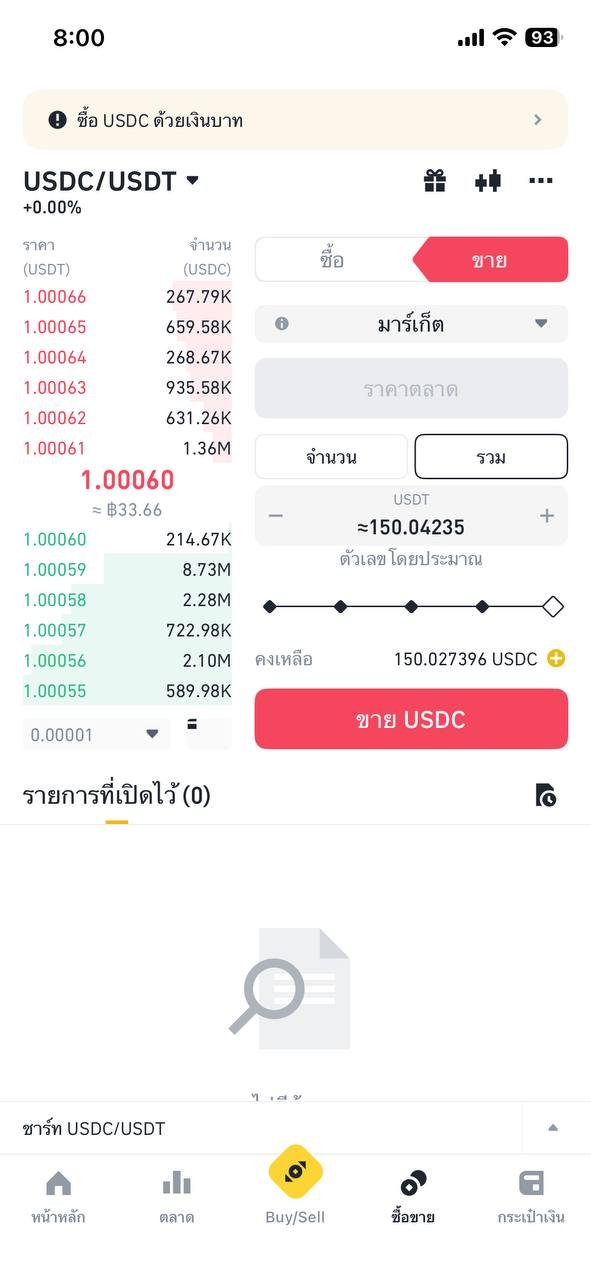 23 12 1.34K Leer original >Tendencia de USDC tras el lanzamientoAlcista
 CD TA_Analyst Trader B8.24K @CryptoDevil_
 Whale Alert D2.86M @whale_alert88 7 50.96K Leer original >Tendencia de USDC tras el lanzamientoNeutral
 Dune OnChain_Analyst Media D458.11K @Dune
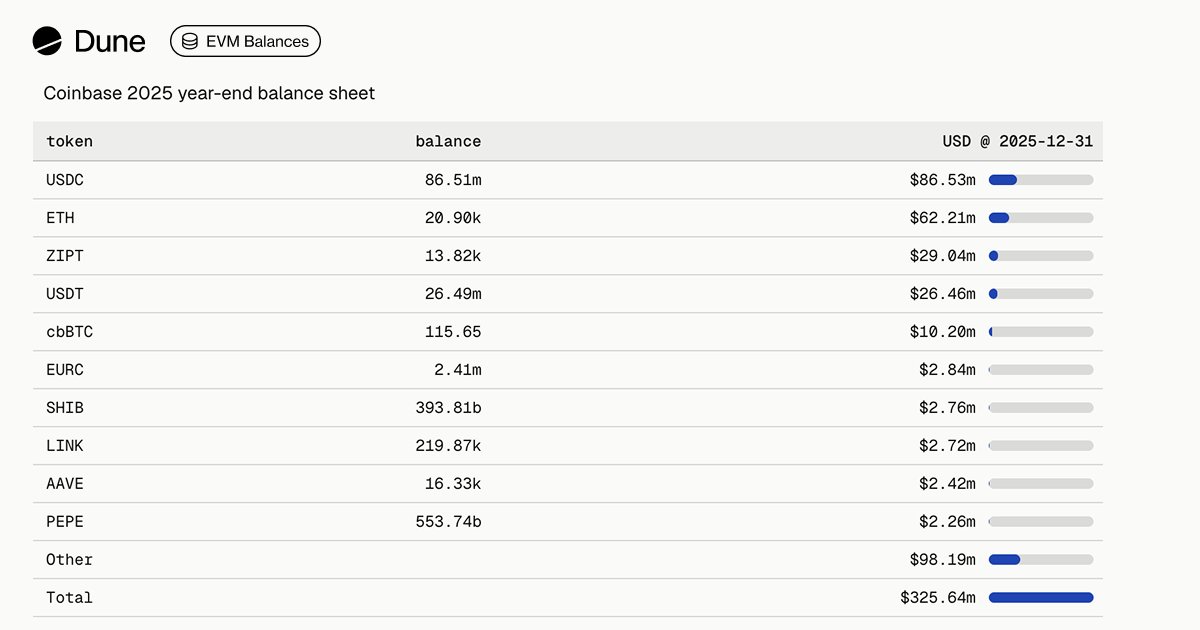 13 2 7.70K Leer original >Tendencia de USDC tras el lanzamientoAlcista
 ©️Jamisky OnChain_Analyst Tokenomics_Expert B7.32K @_Jamisky0 0 0 Leer original >Tendencia de USDC tras el lanzamientoExtremadamente alcista
 Morsy On-Chain Analyst Security Expert S10.99K @morsyxbt
 149 36 8.36K Leer original >Tendencia de USDC tras el lanzamientoExtremadamente bajista