GMT (GMT)
- 45Social Sentiment Index (SSI)-2.25% (24h)
- #95Market Pulse Ranking (MPR)+4
- 224h Social Mention0% (24h)
- 100%24h KOL Bullish Ratio1 Active KOL
- SummaryRainbow Capsule progress 27% completed, nearly 2k participants, GMT about 9 per ticket, price down 1.5%.
- Bullish Signals
- Progress at 27%
- Nearly 2k participants
- Community hype increasing
- Ticket count continuously rising
- Event nearing activation
- Bearish Signals
- GMT ticket price dropping
- Price down 1.48%
- Social hype down 2.25%
- Ticket value dilution
- Demand below expectations
Social Sentiment Index (SSI)
- Data Overall45SSI
- SSI Trend (7D)Price (7D)Sentiment DistributionExtremely Bullish (50%)Bullish (50%)SSI InsightsGMT social hype medium (44.7/100, -2.25%) decline, mainly due to activity -5.9%, although sentiment high (26.3/30) and KOL attention on par, matching Rainbow Capsule progress 27% and ticket price -1.5%.
Market Pulse Ranking (MPR)
- Alert InsightGMT warning rank rises to #95 (↑4), social anomaly drops to 37.8/100 (-10.3%) indicating volatility weakening, sentiment polarization remains at 56.3/100, linked to ticket price -1.5% and demand below expectations.
X Posts
 Madivaan Educator Tokenomics_Expert B4.82K @Crypto30Y
🌈📊 Rainbow Capsule Progress Update: We're Gaining Momentum! ⚡🎟️ #STEPN and #STEPNGO Rainbow Capsule community challenge continues to build momentum, and the latest numbers are looking encouraging! 🚀 ⚡ Energy Burned: 53,000 / 200,000 (27% Complete) The community has now burned over a quarter of the Energy required to activate the Rainbow Capsule. At the current pace, we are going to activate the Rainbow Capsule! 🌈🚀 🎟️ Tickets Added: 134,000 More and more players are adding their Tickets, increasing their share of the final prize pool. Remember, the more Tickets you contribute, the larger your potential reward. 🌈💰 💰 Current Value: ~9 GMT per Ticket As expected, the GMT value per Ticket has decreased from earlier updates as additional Tickets are entered into the Capsule. This is completely normal, since the final rewards are shared based on each player's percentage of the total Tickets. 👥 Participants: 1,921 / 10,000 There is still plenty of room for new players to join the biggest Challenge Capsule event ever! Keep moving, keep collecting Tickets, and let's work together to reach 200,000 Energy and unlock the Rainbow Capsule! 🌈⚡
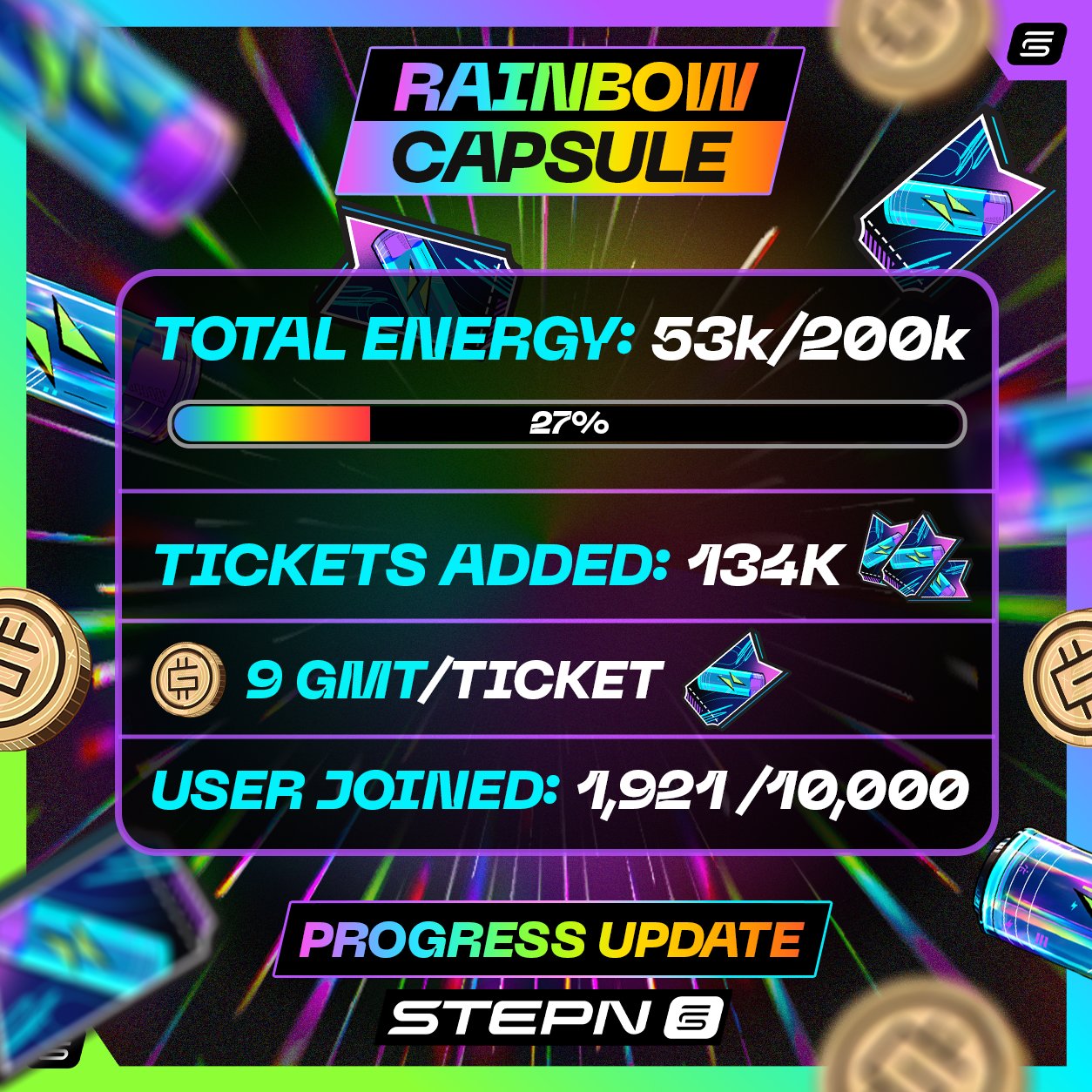 30 3 1.16K Original >Trend of GMT after releaseExtremely BullishSTEPN Rainbow Capsule activity is progressing smoothly, with high community engagement.
- Madivaan Educator Tokenomics_Expert B4.82K @Crypto30Y
 Kleber | STEPN 🏃🏼♂️⚡️ D5.07K @KleberSTEPN
Curiosity: Spain has never beaten Argentina in a FIFA World Cup. 👀 🇦🇷 Argentina 🇪🇸 Spain Now they meet with everything on the line. In STEPN Around The World, every win boosts your country’s rewards. 🏆 Who takes it all? 🇦🇷 or 🇪🇸? https://t.co/gjL2i1cHDM
 6 1 278 Original >Trend of GMT after releaseBullishSTEPN is hosting a World Cup themed event, offering a 500,000 GMT prize pool and signed jerseys among other rewards, encouraging users to participate.
 - Madivaan Educator Tokenomics_Expert B4.82K @Crypto30Y
🌈⚡ Rainbow Capsule Effect: The Rise of Resilience Gem Value💎🎟️ For a long time, #STEPN players have been asking for a new utility for Resilience Gems. With the launch of Challenge Capsules and the Rainbow Capsule event, it looks like Resilience has found one of its most important roles yet. 🚀 📈 Over the past 7 days, Resilience Gem prices have seen strong growth across multiple levels: 💎 Lv.2: +178.3% 💎 Lv.3: +70.8% 💎 Lv.4: +57.5% 💎 Lv.5: +36.3% 💎 Lv.6: +28.9% 💎 Lv.7: +27.2% 💎 Lv.8: +47.2% 🌈 Why are Resilience Gems becoming more valuable? The answer is simple: Higher Resilience → More Challenge Capsule Tickets 🎟️ And more Tickets mean: 🔥 A larger share of the prize pool 🔥 Higher potential rewards from the Rainbow Capsule For the first time, Resilience is directly connected to a major reward system in STEPN. Every Gem now has its own identity: 🟡Efficiency → GST earning 🔴Comfort → GMT earning 🔵Luck → Mystery Box earning 🟣Resilience → Challenge Capsule Ticket earning This creates more balance between different Gem types and gives players more meaningful strategic choices when building their Sneakers. 👟 In the long run, this new utility could help strengthen the STEPN economy by giving every socket a clear purpose. 🔥
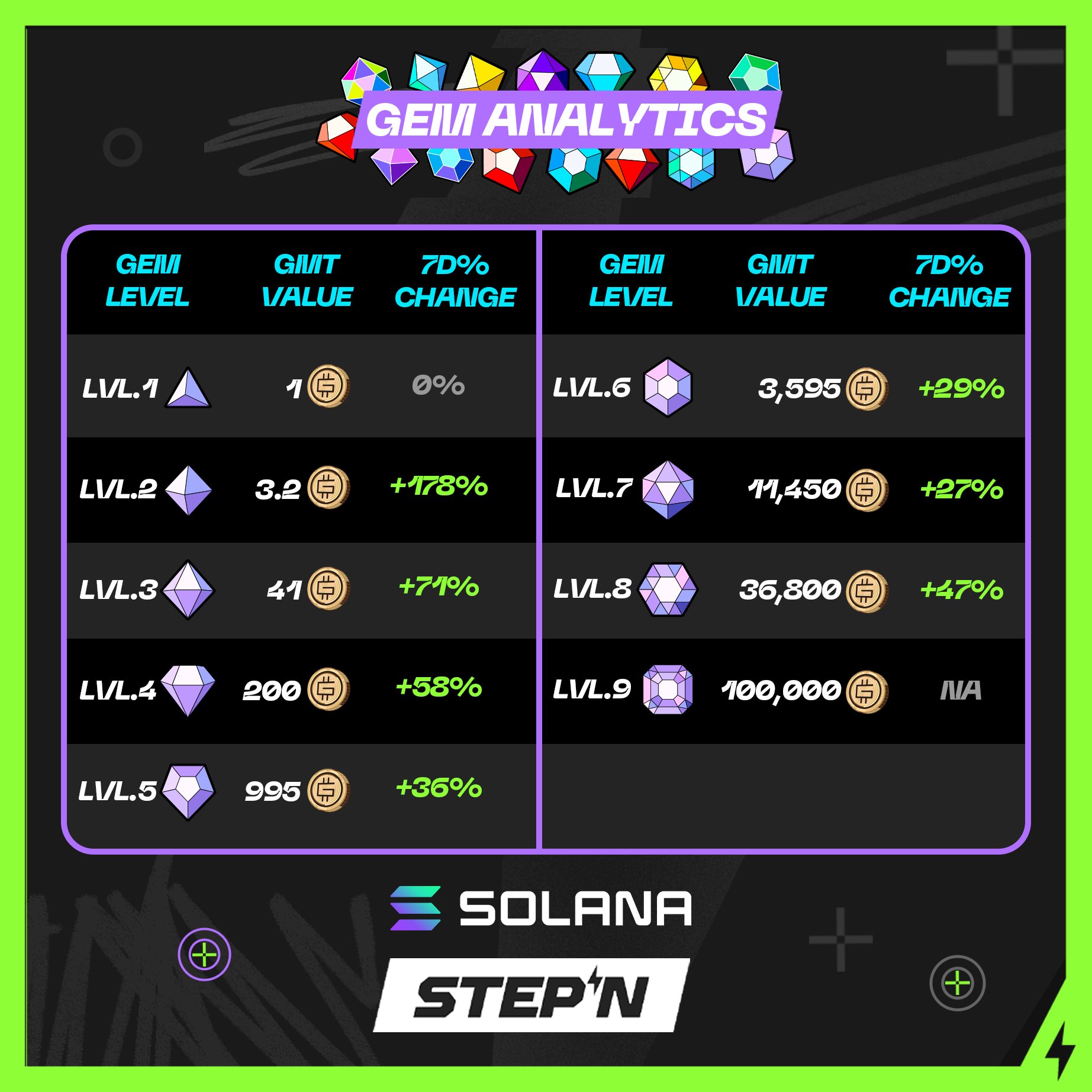 36 1 2.72K Original >Trend of GMT after releaseExtremely BullishSTEPN Resilience Gems have surged in value due to a new utility, strengthening the game economy.
 - Madivaan Educator Tokenomics_Expert B4.82K @Crypto30Y
🌈⚡ Rainbow Capsule Update: Community Progress & Ticket Rewards 💊🎟️ The Rainbow Capsule is gaining momentum! 🚀 🎟️ Approximately 80,000 Tickets have already been added to the Rainbow Capsule. 💡Note: This likely represents Tickets already entered into the Capsule, not the total number of Tickets minted by the community. Currently, each Ticket represents approximately: 💰 15 GMT per Ticket However, as more Tickets are added, this value will naturally decrease because the final prize pool will be shared based on total Ticket contribution. 📉 ⚡ Energy Activation Progress The community has now burned: 🔥 30,000 Energy / 200,000 Energy That means we have reached: ✅ 15% of the activation goal At the current pace, we are on track to activate the Rainbow Capsule! 🌈🚀 But the journey is not over yet. Every Energy and every Ticket still matters. 💪 Keep moving, keep collecting, and let’s unlock the biggest Challenge Capsule ever together! 👟⚡
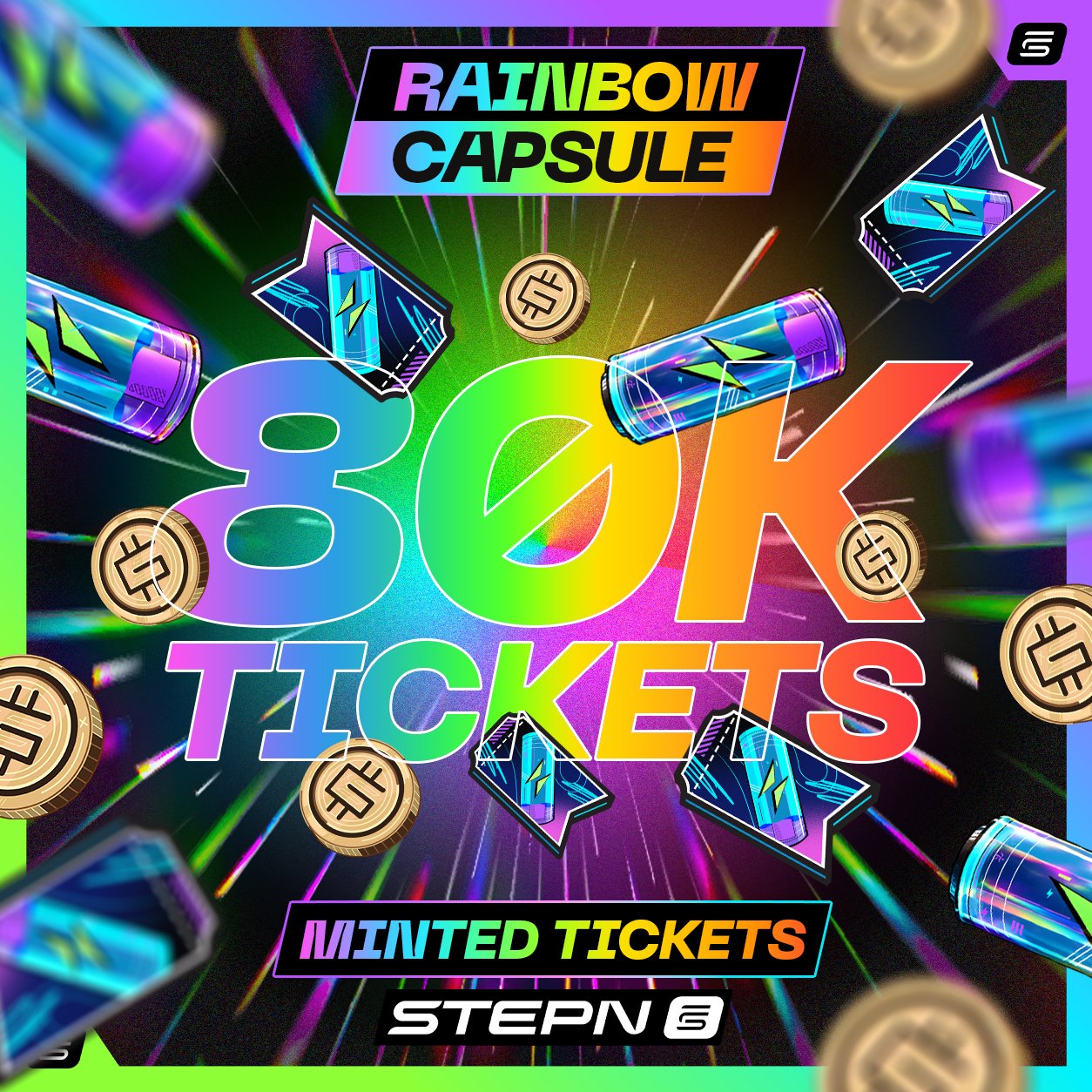 24 2 1.17K Original >Trend of GMT after releaseBullishSTEPN Rainbow Capsule progress is smooth, with 80,000 tickets collected, reaching 15% of the activation target.
 - Madivaan Educator Tokenomics_Expert B4.82K @Crypto30Y
🏃⬇️ Running Downhill: Why Do Your Legs Hurt More the Next Day? 🤔🔬 Have you ever finished a #STEPN session with lots of downhill running and thought, "That felt pretty easy!"... only to wake up the next morning with sore thighs? 😅 📖Here's the science: When you run downhill, gravity helps you move forward, so your heart and lungs don't have to work as hard. ❤️🩹 But your leg muscles (especially your quadriceps) have a different job. They constantly act like brakes, slowing your body down with every step. This is called an eccentric contraction, where a muscle produces force while it's being stretched. These braking forces create tiny, microscopic damage to your muscle fibers. That's what causes Delayed Onset Muscle Soreness (DOMS), the stiffness and soreness you usually feel 24–48 hours later. 💥🦵 The good news? ✅ This muscle damage is completely normal (as long as it's not severe pain or an injury). Your body repairs those tiny muscle fibers, making them stronger and better prepared for future downhill runs. 💪 So if your legs are a little sore after a hilly #STEPN session, it's often a sign that your muscles are adapting, not that you've done something wrong. 🌄 Have you ever noticed your legs feeling more sore after a downhill STEPN route than after running on flat ground?
 8 1 489 Original >Trend of GMT after releaseNeutralThe tweet explains the reasons for muscle soreness after downhill running in STEPN and the muscle adaptation process.
 - Madivaan Educator Tokenomics_Expert B4.82K @Crypto30YMadivaan Educator Tokenomics_Expert B4.82K @Crypto30Y
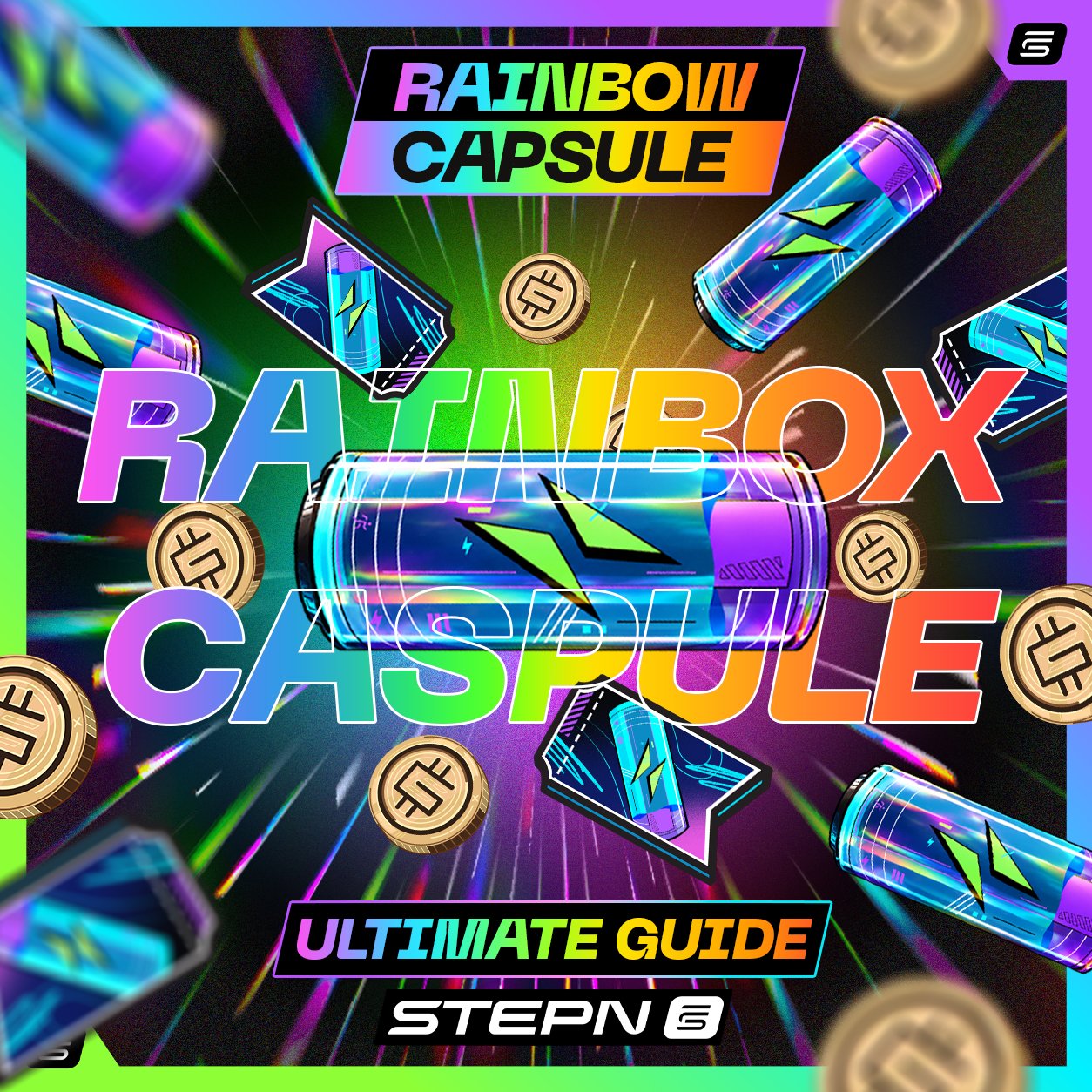
🌈 💊Rainbow Capsule: The Ultimate Strategic Guide ⚡️📖 Looking to dive into #STEPN and #STEPNGO Rainbow Capsule? Here is everything you need to know about this community-powered GMT prize pool challenge! 💰 The Prize Pool 🔹Starting Pool: 1,000,000 Polygon GMT sponsored by the team. 🔹Growth: Community entry fees can boost the total pool up to 2,000,000 GMT. 🔹Entry Fee: 100 GMT per participant. 🔹Limit: Capped at 10,000 participants. once it's full, no one else can join. ⚡ How to Qualify 🔹Choose Your Platform: Pick either STEPN or STEPN GO when opening the Capsule. 🔹Individual Goal: You must spend at least 5 Energy during the event to qualify for rewards. 🔹Community Goal: From 14th to 31st of July, participants must collectively spend 200,000 Energy to activate the event ⚡ The Capsule only activates if the community reaches that Energy Milestone. 💡Note: If the community goal isn't met, entry fees and tickets are refunded. 🎟️ The Ticket System (Not a Raffle!) Unlike regular capsules, this isn't a random draw.
 27 7 3.57K Original >Trend of GMT after releaseBullishSTEPN/STEPN GO launch Rainbow Capsule event, offering up to 2,000,000 GMT prize pool, requires GMT to participate.
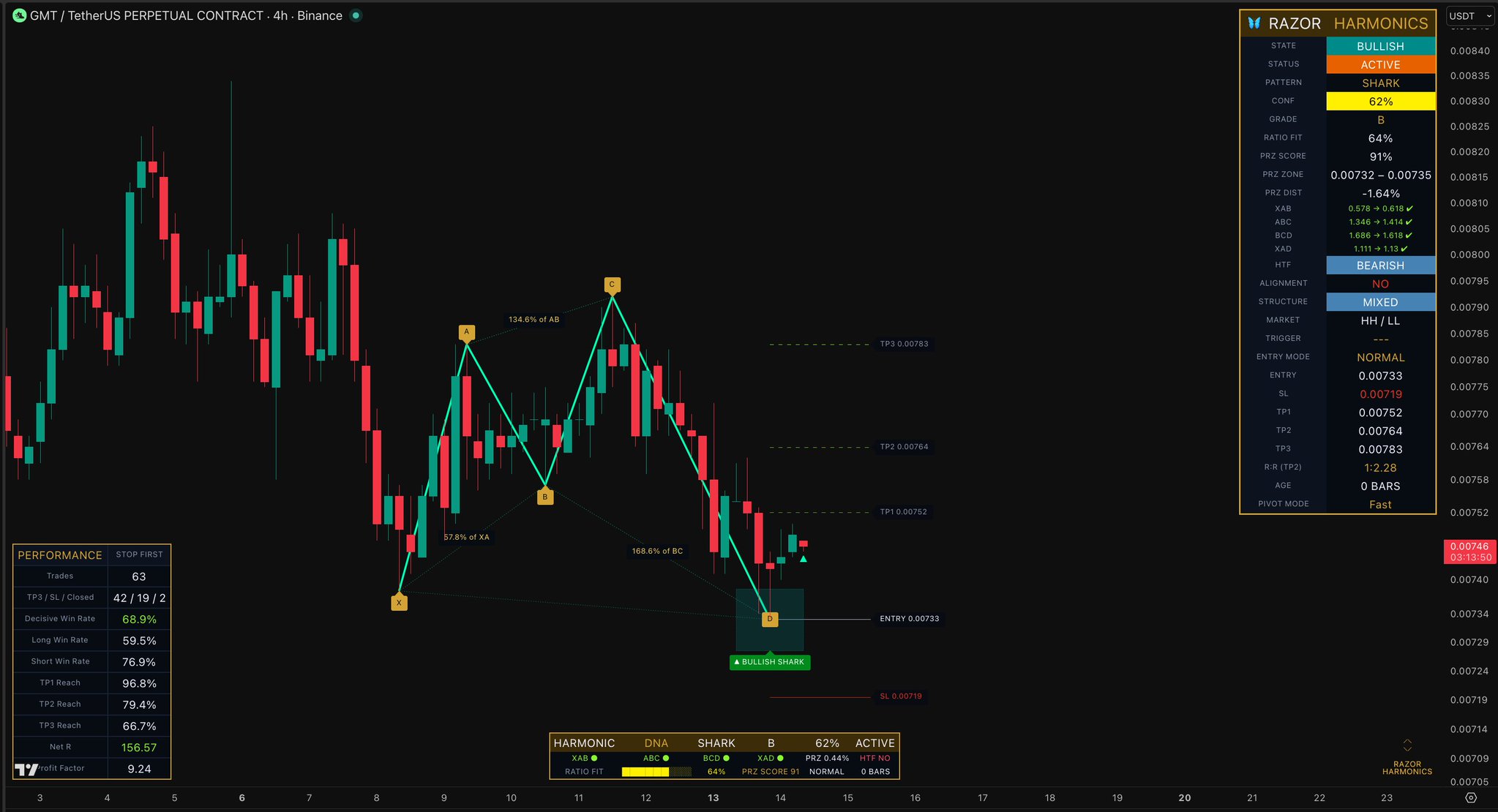
 - Trend of GMT after releaseBullishGMT shows a bullish shark harmonic pattern, recommended entry at $0.00733, target $0.00783.
 Crypto Patel TA_Analyst OnChain_Analyst B60.87K @CryptoPatel
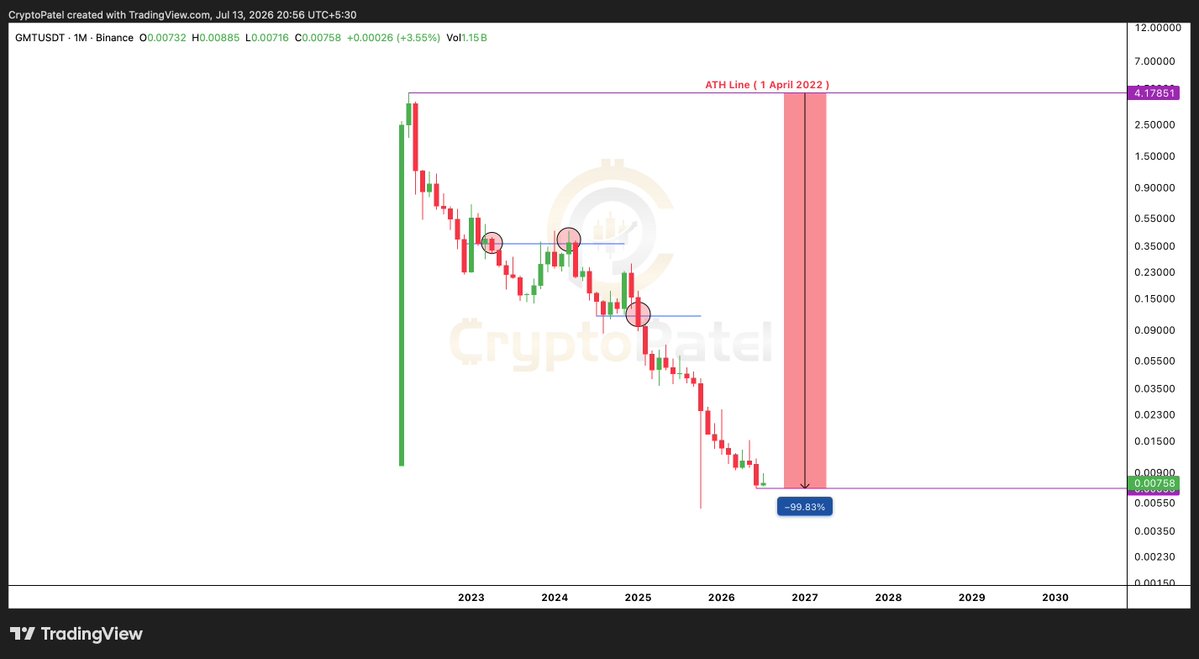
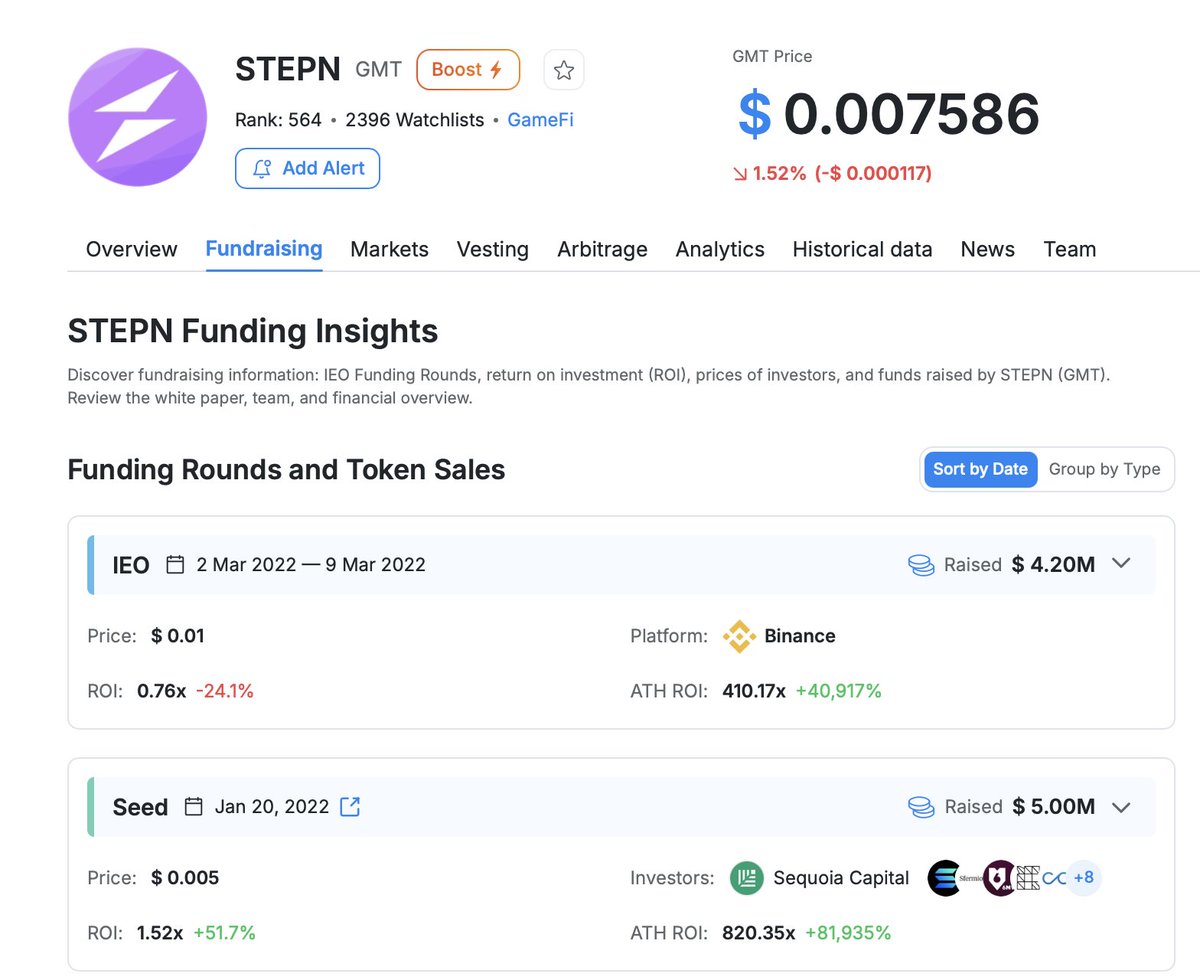
🌚➡️💀 MOON TO DEAD COIN | Project Review 10: $GMT Do you know? 👀 $GMT (STEPN) went from $0.01 to $4.11 in just 51 DAYS, a 41,000% moon. Today it trades at $0.0078. That's -99.8%. 😳 The Raise: ▶️ Find Satoshi Lab (FSL) raised only ~$5M in a Seed round, Tiny raise, MASSIVE hype ▶️ Backed by Sequoia Capital, Binance Labs, Solana Ventures, Alameda Research ▶️ Total raised across all rounds: ~$9.2M ▶️ Initial market cap at listing: just $6M Sale Prices: ➡️ Seed Round: $0.005/GMT, Raised: $5M, ( ATH ROI: ~835x ) ➡️ Binance Launchpad IEO (Mar 9, 2022): Raised: $4.2M, $0.01/GMT ( ATH ROI: ~417x ) ▶️ 16.30% of total supply sold at $0.005/GMT STEPN Investors and Backers: Sequoia Capital, YZi Labs (Prev. Binance Labs), Alameda Research, Solana Ventures, Folius Ventures, Zee Prime Capital, Spark Digital Capital, Lemniscap, DeFi Alliance, Sfermion, Morningstar Ventures, 6th Man Ventures, Solar Eco Fund. Here's the wild part 👇 $GMT ATH: $4.1785 (Apr 28-29, 2022) From $0.01 IEO - in 51 days. The vertical climb: → Mar
 234 19 10.52K Original >Trend of GMT after releaseExtremely BearishAPE和GMT从高点暴跌超99%,警示投资者警惕炒作和内部套现。
- Madivaan Educator Tokenomics_Expert B4.82K @Crypto30Y
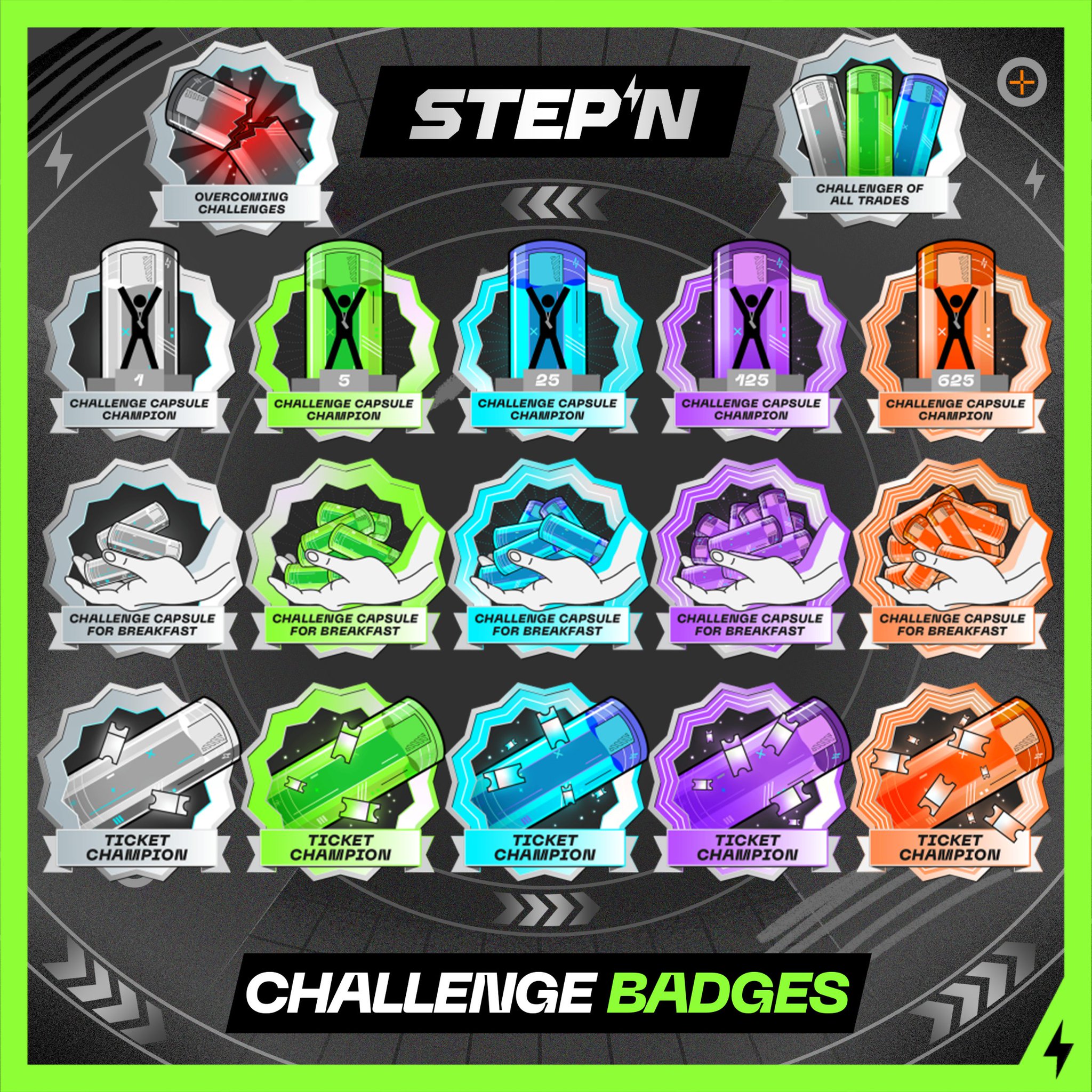
🏅💊 New Challenge Capsule Badges Are Here! 🌈⚡ With the public launch of Challenge Capsules, a brand-new set of badges has been added to #STEPN! 🚀 Some badges are quick and easy to unlock… but others are designed as long-term achievements for the most dedicated players. 👟🔥 Here are the new milestones you can chase: ⚔️ Overcoming Challenges Fail a Challenge Capsule. 🌟 Challenger of All Trades Successfully complete at least: ✅ 1 Common Challenge⚪️ ✅ 1 Uncommon Challenge🟢 ✅ 1 Rare Challenge🔵 👑 Challenge Capsule Champion Open Challenge Capsules (completed or failed) and progress through 5 badge levels: 1➡️ 5 ➡️ 25 ➡️ 125 ➡️ 625 🥣 Challenge Capsules for Breakfast Complete Challenge Capsules and progress through 5 badge levels: 1➡️ 5 ➡️ 25 ➡️ 125 ➡️ 625 🎟️ Ticket Champion Collect Challenge Capsule Tickets and progress through 5 badge levels: 10➡️ 100 ➡️ 1,000 ➡️3,000 ➡️ 10,000 Tickets Whether you are chasing every Challenge, opening hundreds of Capsules, or collecting thousands of Tickets… 🌈 There is always a new milestone waiting to be unlocked. 🏆✨
 Madivaan Educator Tokenomics_Expert B4.82K @Crypto30Y
🌈 💊Rainbow Capsule: The Ultimate Strategic Guide ⚡️📖 Looking to dive into #STEPN and #STEPNGO Rainbow Capsule? Here is everything you need to know about this community-powered GMT prize pool challenge! 💰 The Prize Pool 🔹Starting Pool: 1,000,000 Polygon GMT sponsored by the team. 🔹Growth: Community entry fees can boost the total pool up to 2,000,000 GMT. 🔹Entry Fee: 100 GMT per participant. 🔹Limit: Capped at 10,000 participants. once it's full, no one else can join. ⚡ How to Qualify 🔹Choose Your Platform: Pick either STEPN or STEPN GO when opening the Capsule. 🔹Individual Goal: You must spend at least 5 Energy during the event to qualify for rewards. 🔹Community Goal: From 14th to 31st of July, participants must collectively spend 200,000 Energy to activate the event ⚡ The Capsule only activates if the community reaches that Energy Milestone. 💡Note: If the community goal isn't met, entry fees and tickets are refunded. 🎟️ The Ticket System (Not a Raffle!) Unlike regular capsules, this isn't a random draw.
14 1 631 Original >Trend of GMT after releaseBullishSTEPN推出新挑战胶囊徽章和彩虹胶囊活动,提供高达200万GMT奖池。 - Madivaan Educator Tokenomics_Expert B4.82K @Crypto30Y
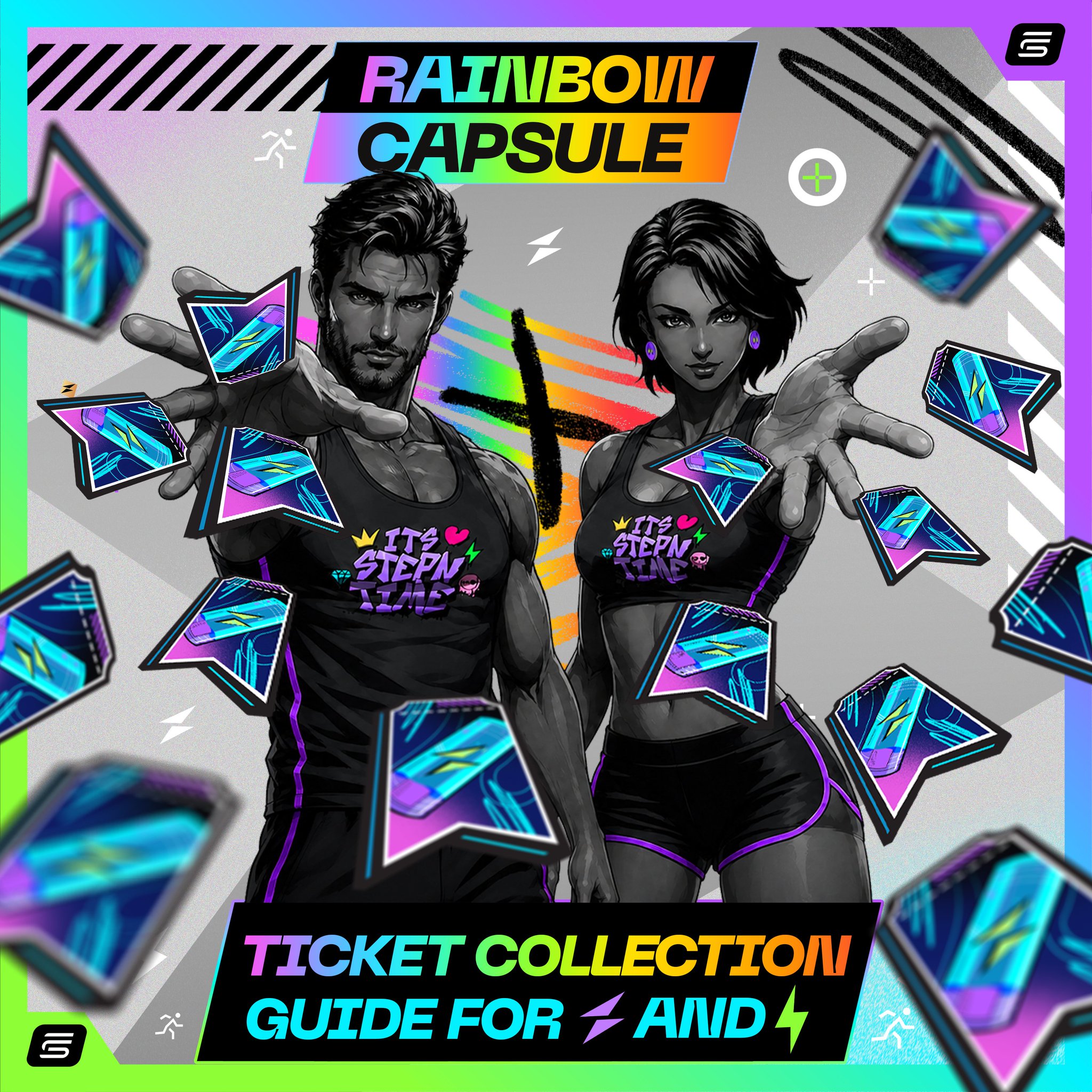
🌈🎟️ Rainbow Capsule Ticket Collection Guide: How to Maximize Your GMT Share 💊⚡ Unlike previous Challenge Capsules, the Rainbow Capsule is not a raffle. 🎯 Your reward is not based on luck. Instead, it depends on how many Tickets you collect.🎟️ The more Tickets you collect and enter into the Rainbow Capsule, the bigger your share of the massive 1,000,000 → 2,000,000 GMT prize pool will be. 🚀 🌈 How The Reward System Works The final reward is calculated based on your Ticket contribution: 💰 Your Reward = Total Prize Pool × (Your Tickets ÷ Total Tickets) Example: If the final prize pool reaches 2,000,000 GMT and you own 1% of all submitted Tickets, you will receive 20,000 GMT. Every Ticket matters. 🎟️ 🎟️ How To Collect Rainbow Capsule Tickets There are different ways to earn Tickets depending on whether you play STEPN or STEPN GO: 🟢 STEPN GO: Charm Runs ✨ For STEPN GO players, Tickets come from Charm Runs. Your goal is simple: 🏃 Complete Charm Runs 🎟️ Collect Tickets 🌈 Add them to your Rainbow Capsule share
 13 4 3.06K Original >Trend of GMT after releaseExtremely BullishSTEPN调整门票机制促生态健康,推出百万GMT奖池彩虹胶囊。