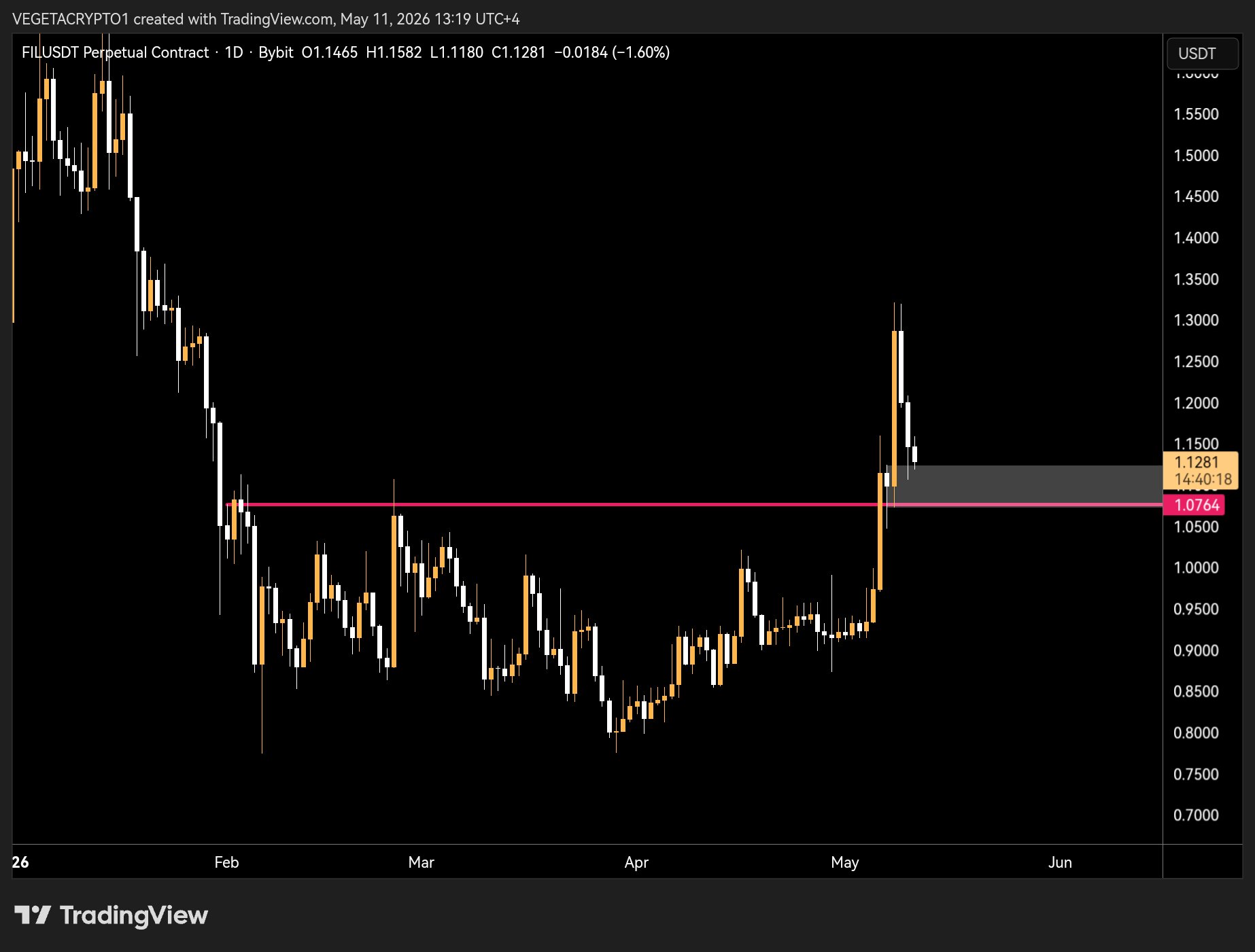
Filecoin (FIL)
$0.976 -2.89% 24H
- 37Índice de Sentimento Social (SSI)+9.93% (24h)
- #114Classificação do Pulso de Mercado (MPR)+14
- 1Menção Social 24H0% (24h)
- 100%Índice Bullish dos KOLs (24h)1 KOLs Ativos
- Resumo
- Sinais Bullish
- Sinais Bearish
Índice de Sentimento Social (SSI)
- Dados Gerais37SSI
- Tendência SSI (7D)Preço (7D)Distribuição de SentimentosAltista (100%)Insights de SSI
Classificação do Pulso de Mercado (MPR)
- Insight dos Alertas
Posts no X
 Angry Crypto Show Media Influencer B18.59K @angrycryptoshow
 Filecoin D661.30K @Filecoin0 0 1 Ler original >Tendência de FIL após o lançamentoAltista
- Angry Crypto Show Media Influencer B18.59K @angrycryptoshowFilecoin D661.30K @Filecoin
 0 0 7 Ler original >Tendência de FIL após o lançamentoAltista
 - Tendência de FIL após o lançamentoBaixista
 𝒫𝓊𝒻𝒾 TA_Analyst Trader C6.34K @kriptopufi𝒫𝓊𝒻𝒾 TA_Analyst Trader C6.34K @kriptopufi
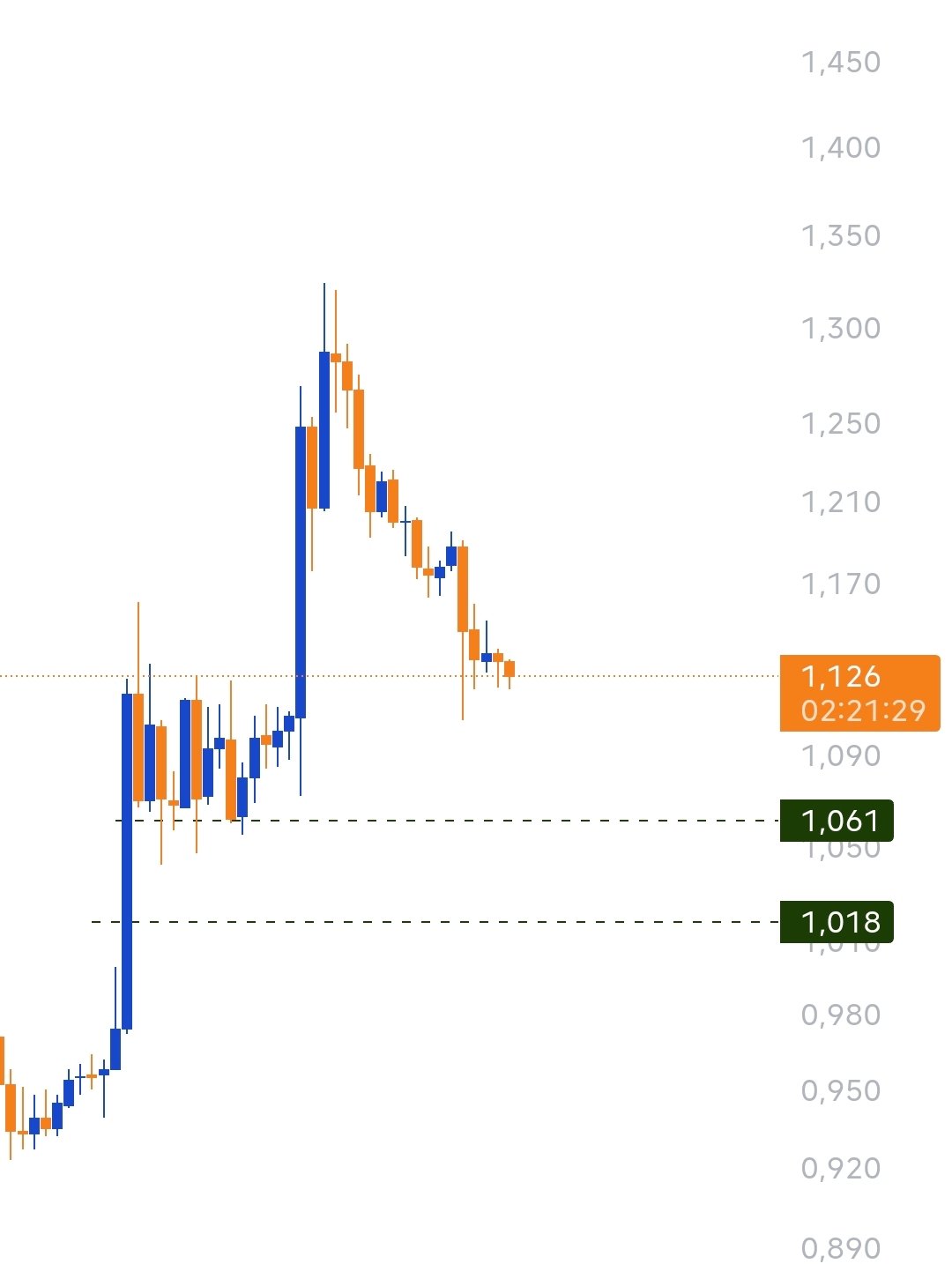 5 2 265 Ler original >Tendência de FIL após o lançamentoAltista
- Angry Crypto Show Media Influencer B18.59K @angrycryptoshowFilecoin D661.30K @Filecoin0 0 1 Ler original >Tendência de FIL após o lançamentoAltista
- Angry Crypto Show Media Influencer B18.59K @angrycryptoshowFilecoin D661.30K @Filecoin0 0 2 Ler original >Tendência de FIL após o lançamentoAltista
- Tendência de FIL após o lançamentoAltista
- Tendência de FIL após o lançamentoAltista
 KenErik Community_Lead Influencer C2.24K @kenerikFilecoin D661.30K @Filecoin250 19 133.23K Ler original >Tendência de FIL após o lançamentoAltista
 UAEMARKETS TA_Analyst Trader S9.83K @UAEmarkets7
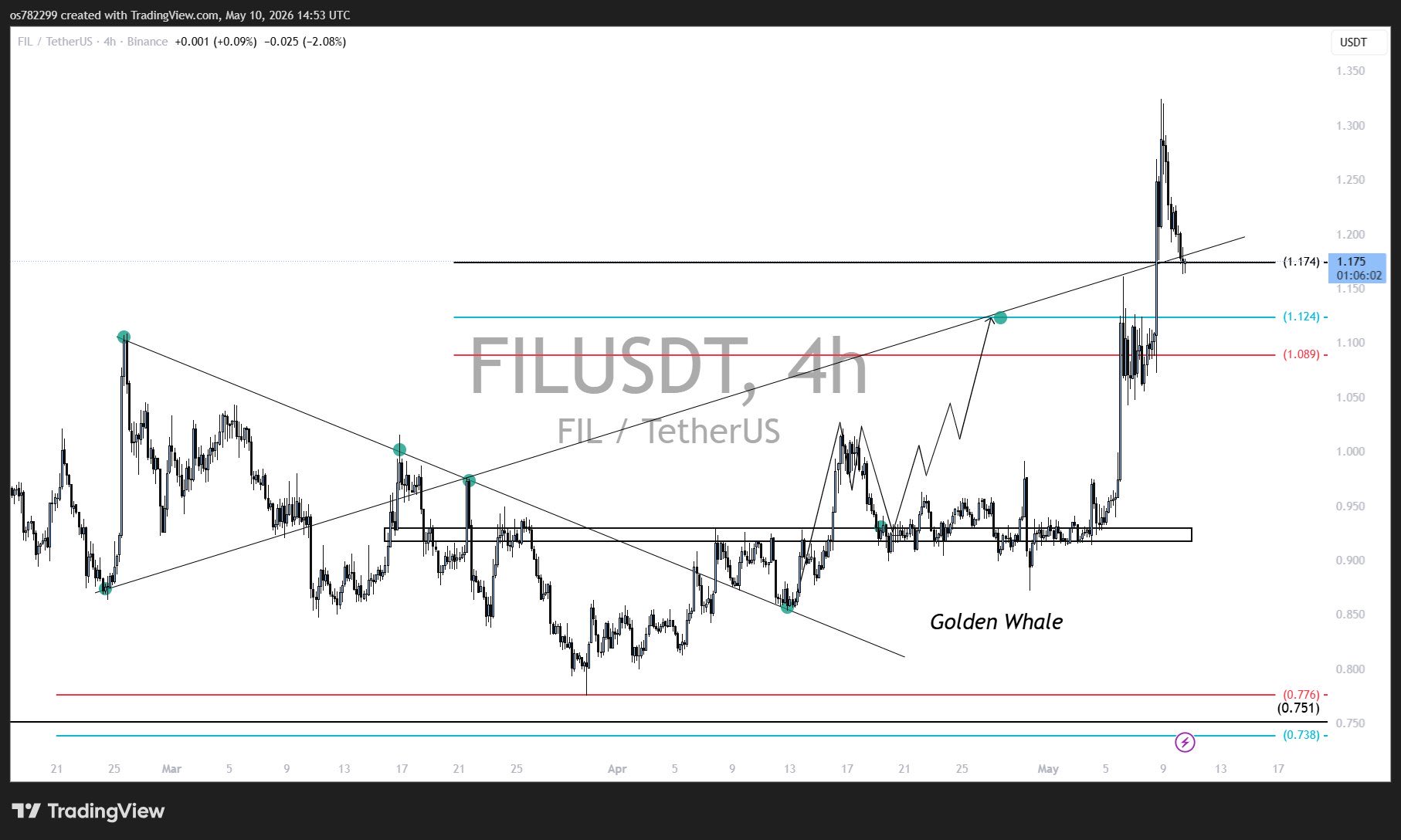 UAEMARKETS TA_Analyst Trader S9.83K @UAEmarkets7
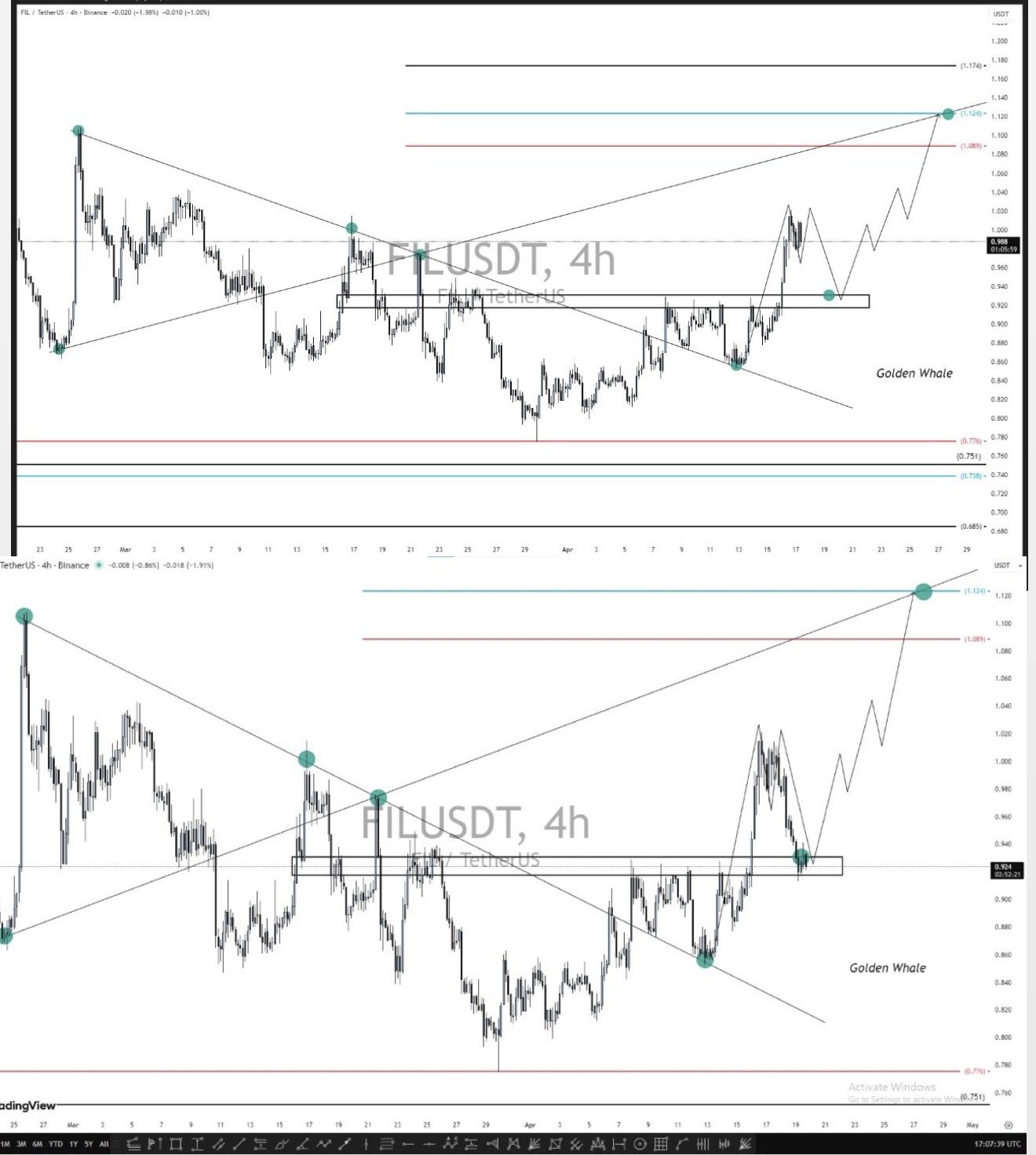 63 7 2.02K Ler original >Tendência de FIL após o lançamentoAltista